 EN
EN

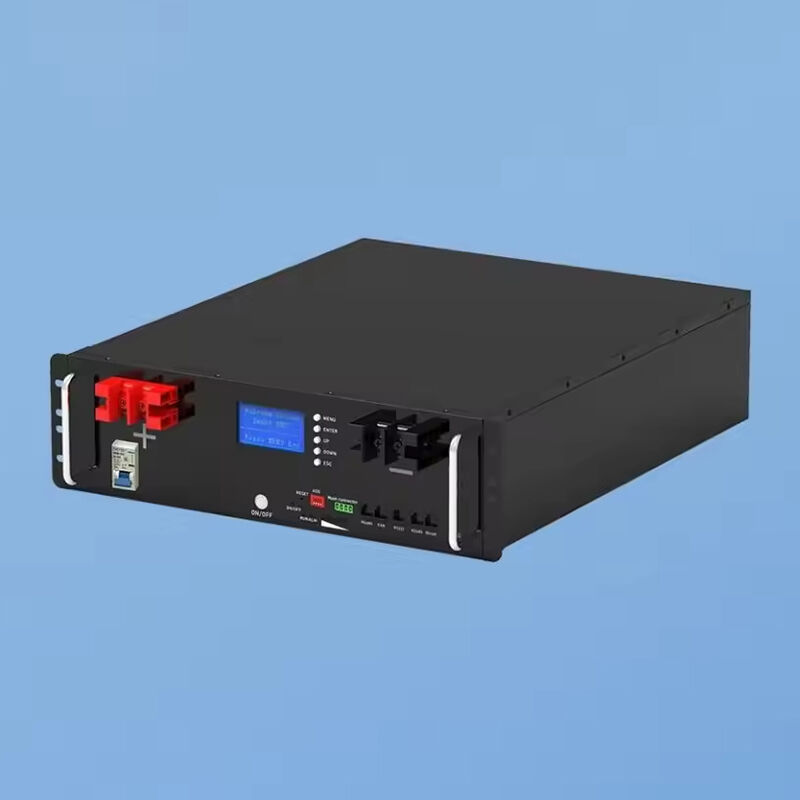
Engineering Support for Seamless Battery Pack Integration
Why Off-the-Shelf Battery Packs Fall Short for OEM Applications
Off-the-shelf battery packs just don't cut it when it comes to meeting what OEMs need for their special applications. Generic batteries tend to miss the mark on things like limited space, temperature limits, and changing power needs which creates problems in important areas such as medical tech and factory automation systems. Take electric vehicle makers for instance they've seen about 40 percent more cases of overheating issues with standard battery packs because these packs usually come with poor heat management materials and cells arranged in ways that aren't optimal. Custom made batteries are different from regular ones since they can handle specific voltage levels and fit into smaller spaces where needed. When companies settle for standard options instead, they end up spending extra money on fixes that put safety at risk and slow down product development timelines anywhere between six to eight months longer than planned.
Cross-Disciplinary Validation: Ensuring System-Level Compatibility
Getting everything to work together properly requires checking things at the same time in three main areas: electricity, mechanics, and heat management. Teams working across different specialties run tests that mimic what happens in actual situations - think about vibrations during operation or how batteries handle repeated charging and discharging. These simulations help spot problems long before anything goes into mass production. With digital twins, engineers can actually predict how battery management systems will behave when connected to their host equipment. This approach cuts down on unexpected failures in the field by around half compared to older methods where each department worked separately. Keeping track of important factors such as temperature differences becomes much easier too. Maintaining temperatures within about 5 degrees Celsius helps stop batteries from wearing out too quickly, especially in those tough applications where performance matters most.
Case Study: Accelerating EV Battery Pack Validation Through Co-Engineering
An electric vehicle development recently showed what happens when different engineering teams work together from day one. When the battery folks started talking to the OEM's powertrain department right at the design stage, they managed to reshape how cells fit into packs for that particular car frame and cooling setup. This approach cut out unnecessary parts in modules and actually packed 50% more usable space into the same area. During tests for thermal issues, they found problems with materials between components. Fixing these required back and forth tweaks between software and hardware. What came out of all this collaboration? A complete battery pack that passed all UL standards and was ready to go in just 14 weeks instead of the usual 28. And best of all, no safety problems have popped up since it hit the road either.
BMS Design and Integration for Reliable Battery Pack Performance
How BMS Misalignment Drives Field Failures in Custom Battery Packs
Getting mismatched parts in a Battery Management System (BMS) is actually one of the main reasons why custom battery packs fail early on. If the firmware doesn't match properly with what kind of cells we're using or how they'll be loaded, those important safety limits - think about things like over-voltage cutoffs - might kick in at the wrong times when everything's running hot. According to some field tests I've seen, bad BMS calibration can make batteries lose their capacity much faster, maybe even up to 40% quicker than when all components work together right from the start (this was mentioned in Journal of Power Sources back in 2023). For any custom BMS design, it really pays off to do proper electrochemical testing first. We need to simulate different conditions too, like checking how voltage changes during regenerative braking events, seeing what happens with sudden temperature increases in warm climates, and making sure everything holds up through those long discharge periods that happen in backup power systems. Taking this approach helps avoid most of these common failure problems down the road.
Adaptive Firmware–Hardware Co-Design for Dynamic Duty Cycles
Dynamic applications demand firmware that continuously adapts to hardware behavior. Electric forklifts experience erratic discharge patterns during shift changes, while medical devices require milliamp-level precision during sleep modes. Co-designing firmware with hardware enables real-time recalibration of key parameters:
| Parameter | Off-the-Shelf Risk | Adaptive Solution |
|---|---|---|
| State of Charge (SoC) | ±15% error margin | <±3% via neural-network learning |
| Thermal Runaway Response | Fixed 10-second latency | Sub-2-second interrupt triggers |
| Cell Balancing | Passive-only; wastes 8% capacity | Active balancing recovers 95% |
This synergy eliminates firmware “blind spots,” particularly when packs operate beyond nominal specifications. Hardware-triggered overrides such as throttling charge rates when heat flux exceeds 50 W/m² extend cycle life by 2.1x in fluctuating environments.
Thermal Management Solutions Tailored to Battery Pack Requirements
Delta-T Thresholds and Their Impact on Long-Term Battery Pack Capacity
When battery cells get too hot compared to each other (this difference is called Delta-T), it really speeds up how fast they lose their ability to hold charge. Studies indicate that just a 15 degree Celsius difference across cells can cut down total battery capacity by around 25% after about 500 charge cycles. The reason? Hotter cells break down their electrolytes faster and their cathodes start dissolving. What happens next is pretty bad for the whole system. Cells that go over 45 degrees Celsius basically age themselves out quickly, while those that stay cooler might develop lithium plating problems when someone tries to charge them too fast. To prevent all this trouble, most manufacturers keep Delta-T differences below 5 degrees Celsius. They do this through fancy computer modeling of airflow and by placing lots of little sensors throughout the battery pack. These efforts help extend battery life well past eight years in most electric cars on the road today.
Thermal Interface Materials: Optimizing Pack-Level Efficiency
Thermal interface materials (TIMs) bridge conductivity gaps between cells and cooling plates, reducing interfacial thermal resistance by up to 80%. Silicone-free phase change compounds deliver consistent pressure contact and conduct heat at 8 W/mK during charge bursts. This optimization yields measurable gains:
| Performance Metric | Without Advanced TIM | With Advanced TIM |
|---|---|---|
| Peak Cell Delta-T | 12°C | 3°C |
| Capacity Retention | 75% at 800 cycles | 88% at 800 cycles |
By eliminating air gaps through tailored TIM selection, packs achieve 15% higher energy density without compromising safety compliance.
Rigorous Quality Control for Low-Volume Battery Pack Customization
When making custom battery packs in small quantities, there are special quality issues to deal with. Problems like mismatched cells or weak welds can ruin whole batches of products. To tackle these problems, manufacturers implement strict quality checks. They use machines to check how cells line up, physically test weld points by breaking them apart, and run heat tests that mimic over five years of real-world use in just three days straight. These methods cut down on failures in the field by about half when compared to regular quality checks, based on industry data from last year. Before sending out any product, every assembly must pass UN38.3 and IEC 62133 safety tests. Companies also validate how long the batteries will last through repeated charge cycles. This means customers get reliable products even though they're not mass produced, and manufacturers see fewer warranty issues as well.
FAQ
Why are off-the-shelf battery packs unsuitable for OEM applications?
Off-the-shelf battery packs often don't meet OEM-specific needs such as limited space, temperature constraints, and varying power requirements, leading to inefficiencies and increased costs.
What is the importance of cross-disciplinary validation in battery integration?
Cross-disciplinary validation ensures compatibility across electrical, mechanical, and thermal systems, reducing unexpected failures significantly by predicting real-world behaviors.
How does BMS misalignment affect battery performance?
BMS misalignments can trigger safety mechanisms at incorrect times, leading to faster battery degradation and reduced performance.
What are Delta-T thresholds and their impact on battery life?
Delta-T thresholds represent temperature differences between battery cells. Large Delta-T can lead to accelerated degradation of battery capacity.
How does quality control ensure the reliability of low-volume custom battery packs?
Rigorous quality checks, including alignment testing and safety certifications, ensure reliability and reduce field failures in custom battery production.
Table of Contents
- Engineering Support for Seamless Battery Pack Integration
- BMS Design and Integration for Reliable Battery Pack Performance
- Thermal Management Solutions Tailored to Battery Pack Requirements
- Rigorous Quality Control for Low-Volume Battery Pack Customization
-
FAQ
- Why are off-the-shelf battery packs unsuitable for OEM applications?
- What is the importance of cross-disciplinary validation in battery integration?
- How does BMS misalignment affect battery performance?
- What are Delta-T thresholds and their impact on battery life?
- How does quality control ensure the reliability of low-volume custom battery packs?