 EN
EN

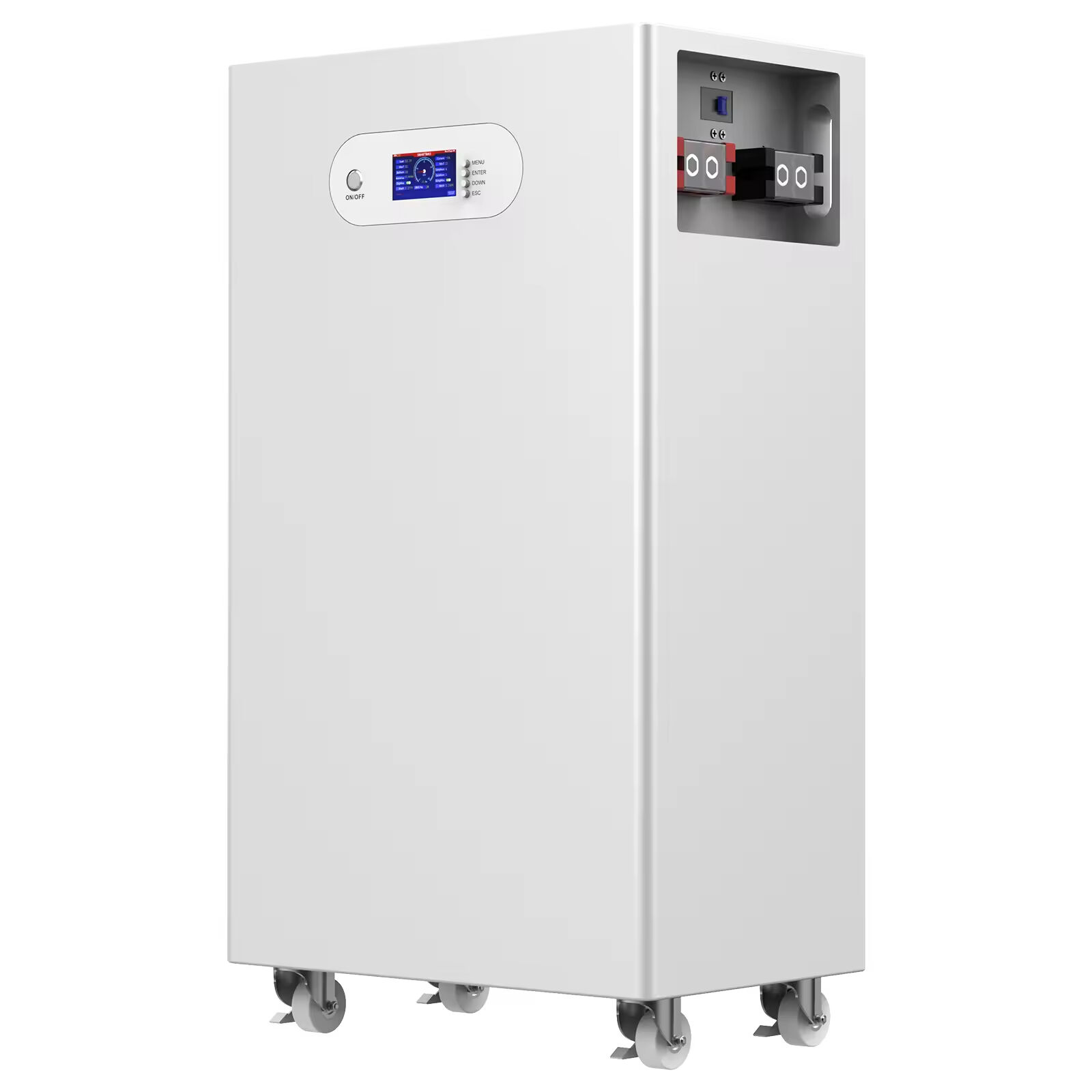
Comprehensive Industrial Battery Warranty Coverage
Standard Warranty Duration, Scope, and Coverage Limitations
Most industrial battery warranties last around 3 to 5 years from when someone buys them, and they generally cover any issues with materials or how they were made. Many warranty terms also come with performance promises. Some batteries need to keep at least 70% of their original power after either 8 years of use or about 10,000 charge cycles before the warranty kicks in. These standards are usually based on things like IEEE 1625 and UL 1973 guidelines that most people in the industry recognize. But there are important exceptions too. If someone installs the battery wrong, or if it gets exposed to conditions outside what's specified (like running it continuously above 40 degrees Celsius), then the warranty won't cover those problems. The same goes for discharging the battery past certain limits set by the manufacturer. Lithium ion batteries are a good case in point here. If operators regularly drain these industrial batteries all the way down to 100% depth of discharge, the warranty protection disappears. This isn't just some arbitrary rule though. Manufacturers know that pushing cells this hard actually damages their chemical makeup over time, even if it seems convenient during daily operations.
Streamlined Warranty Claim Process and Documentation Requirements
To get a successful claim processed, there are basically three things needed: the battery's serial number which is unique to each unit, an invoice that shows when it was bought, and some kind of failure diagnosis done through official tools or by certified repair shops. Most big companies can handle these valid claims in around 10 workdays now. But folks often run into problems because they forget to include their maintenance records or send incomplete test results. The industry has seen real improvements too. Digital submission systems are pretty much standard among top tier providers these days, and according to last year's Energy Storage Report, this switch from old fashioned paper forms has shaved off about 40% off the usual processing times.
Clarifying "Lifetime" Warranties: Real-World Degradation vs. Marketing Language
The term "lifetime" warranty on batteries is mostly just marketing fluff. Most companies limit actual coverage to around 10 to 15 years no matter how long someone uses them or how many charge cycles they go through. Testing by independent labs reveals something interesting too. Battery capacity starts dropping below 60% way before the eighth year mark in places where temperatures run hot or there's constant charging/discharging happening. Even those fancy batteries advertised with "lifetime" protection can't escape this reality. What happens is that after about 3,000 charge cycles, things start breaking down faster because of stuff like the SEI layer growing thicker over time and the electrolyte inside getting used up. This means people end up replacing their batteries much sooner than expected in roughly 8 out of 10 real world situations. That's why serious organizations such as the US Department of Energy focus so much on actual performance numbers rather than catchy marketing phrases when looking at whether these products will last in the long run.
Industrial Battery Repair, Reconditioning, and Replacement Options
Technical Capabilities: Load Testing, Cell-Level Diagnostics, and Core Rebuilds
Technical services for industrial batteries allow for accurate evaluation and focused repair work that gets results. Load tests actually measure how well batteries perform in real conditions, something regular voltage checks just can't show. At the cell level, our diagnostic methods find those weak spots before they become big problems. These faulty cells account for about 40% of early battery failures, so catching them early makes all the difference. When batteries have physical damage, we do complete rebuilds replacing worn out parts like plates or broken cases while keeping whatever still works. This method typically adds 2 to 3 extra years to battery life when used on units less than five years old with state of health above 75%. Our team follows strict UN38.3 safety protocols throughout the process, employing thermal imaging tech and automated systems to manage electrolytes properly. This ensures everything stays stable both structurally and thermally from start to finish.
Data-Driven Decision Framework: When to Repair vs. Replace an Industrial Battery
Optimal decisions hinge on five validated metrics:
- State of Health (SOH): Below 70% signals urgent replacement need
- Cycle Count: Units exceeding 80% of rated cycles rarely yield cost-effective repairs
- Failure History: Recurring faults indicate systemic degradation
- Downtime Costs: High-value operations favor immediate replacement over repair lead times
- Reconditioning ROI: Repair must cost ¥40% of a new unit’s price to justify investment
According to field observations, around 63 percent of forklift battery problems end up requiring full replacement despite attempts at fixing them when their state of health drops below certain levels. On the flip side, things like individual cell malfunctions, small electrolyte imbalances, or those occasional hot spots usually can be fixed, especially if the battery isn't too old yet. Modern diagnostic systems automatically highlight these gray area situations where the battery health sits between 72 and 78 percent after fewer than six thousand charge cycles, sending them to engineers for closer inspection before deciding on replacement. When companies stick to this approach consistently across their fleet operations, they typically see annual savings of about 22% in overall maintenance expenses. Many warehouse managers have started adopting similar protocols as part of smarter asset management strategies.
Proactive Maintenance Programs for Industrial Battery Longevity
Industrial batteries tend to live much longer when companies implement proactive maintenance programs rather than waiting for problems to arise. The numbers back this up too industry wide research indicates well maintained batteries can last anywhere from 30 to 50 percent longer compared to those left unattended. Mid sized operations might save around $18,000 each year on replacements alone based on findings from the Ponemon Institute. What do these maintenance routines actually involve? They typically consist of regular equalization charges that help balance out cell voltages, checking electrolyte levels and measuring specific gravity for those flooded lead acid models, plus managing heat through integrated Battery Management Systems or BMS as they are commonly called. According to research published by the US Department of Energy, even just 10 degrees Celsius over the recommended operating temperature can slash battery life by half which makes ongoing thermal monitoring absolutely critical rather than something nice to have. When businesses adopt structured maintenance approaches, they transform unpredictable breakdowns into planned maintenance activities backed by actual data instead of guesswork. This shift ultimately keeps systems running smoothly while getting better value from their energy storage investments.
Flexible Ownership Models: Leasing and Service-Based Industrial Battery Solutions
The way companies buy industrial batteries is changing fast. Instead of just purchasing them outright, many are turning to leasing options and service agreements that give better financial control and make operations more adaptable. These arrangements cut down on the big initial costs typically associated with buying equipment. They also hand over all the hassle of maintenance, tracking performance, and dealing with old batteries to specialists who know what they're doing. This can be a real lifesaver when markets swing wildly or new tech comes along quickly. Take Battery-as-a-Service (BaaS) for instance. With this approach, businesses pay a set monthly fee that covers everything from remote monitoring systems to scheduled maintenance checks, guaranteed replacements when needed, and proper disposal at the end of life. The cost matches exactly what gets used, which makes budgeting easier. Providers have every reason to keep batteries running longer through regular checkups and using parts that can be swapped out easily. This supports environmental goals too since fewer batteries end up in landfills. For large organizations, these services turn expensive fixed assets into manageable operating costs instead. Plus, companies stay ahead of the curve with access to latest battery technologies without worrying about throwing money away on outdated stock. Some smart businesses even find tax advantages in these lease deals that aren't available if they simply buy batteries outright.
FAQ
What is typically covered under an industrial battery warranty?
Most warranties cover defects in materials or workmanship, as well as performance standards like maintaining a set percentage of original capacity after a certain period or number of charge cycles.
How can I successfully file a warranty claim?
To file a claim successfully, you'll need the battery's serial number, purchase invoice, and a failure diagnosis. Including maintenance records can also help to streamline the process.
Are "lifetime" warranties on batteries reliable?
"Lifetime" warranties are often used as a marketing term and usually have limits, with actual coverage typically around 10-15 years.
What factors determine whether a battery should be repaired or replaced?
Key factors include the battery's state of health, cycle count, failure history, downtime costs, and the cost-effectiveness of reconditioning.