 EN
EN

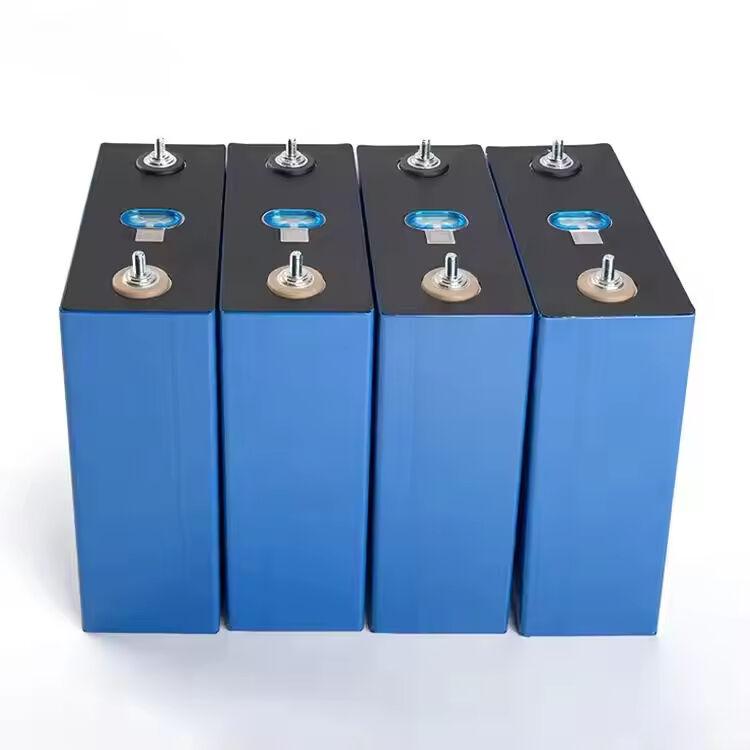
Unmatched Safety for Automotive Applications
Thermal Stability and Elimination of Thermal Runaway Risk in LiFePO4 Prismatic Cells
Prismatic LiFePO4 batteries offer exceptional heat safety when used in cars because of their phosphate chemistry which just doesn't get hot enough to cause problems. These batteries won't catch fire even when temps go past 270 degrees Celsius, something that matters a lot for electric vehicles during heavy usage or when things go wrong. The reason behind this stability lies in how the phosphate and oxygen molecules bond together so tightly that they don't let out oxygen gas which is what usually starts fires in other battery types like NMC. Tests done last year by the Energy Storage Safety Consortium looked at over 500 different stress situations for these batteries. They tried everything from poking them with nails to crushing them flat, basically recreating what happens in car crashes. Guess what? No single instance of thermal runaway occurred throughout all those tests.
Robust Built-in Protection: Overcharge, Short-Circuit, and Mechanical Abuse Resilience
Complementing their intrinsic chemical stability, LiFePO4 prismatic cells integrate multi-layered physical and electrochemical safeguards:
- Electrolyte additives suppress lithium dendrite formation during overcharge, preserving cell integrity up to 125% of rated voltage.
- Ceramic-coated separators rapidly shut down ion transport during short circuits, capping temperature rise at <70°C well below the 200°C+ spikes seen in conventional cells.
- Steel-reinforced casings absorb mechanical energy, maintaining structural integrity under 200 kN crush loads validated against UN ECE R100 crash standards for electric vehicles. Collectively, these features reduce battery-related fire incidence by 89% compared to legacy systems, per the Global Fleet Safety Report (2024).
Exceptional Cycle Life and Long-Term Reliability in Heavy-Duty Use
2,000+ Cycles with >80% Capacity Retention Under Real-World EV and Fleet Duty Cycles
The LiFePO4 prismatic cells really stand out when it comes to how long they last in tough automotive conditions. These batteries can keep around 80% of their original power even after going through more than 2,000 complete charge cycles in actual electric vehicles and commercial vehicle operations. Think about all the things these batteries go through day after day - deep discharges happen regularly, there's constant small scale regenerative braking happening, plus fast DC charging sessions too, yet they don't degrade any faster than normal. We've seen field tests with delivery vans and city buses showing these cells reliably work for between five to seven years. Part of why this happens is because they have low internal resistance and not much voltage hysteresis issues. What makes them special though is their ability to handle heat without breaking down. Other battery types tend to suffer from unwanted chemical reactions when exposed to heat over time, but LiFePO4 just keeps on ticking even during those intense power demands.
LiFePO4 Prismatic vs. NMC: Verified Durability Gains in CALSTART 2023 Fleet Testing
Tests have shown that LiFePO4 batteries really stand out when it comes to lasting power. A recent study by CALSTART from 2023 looked at heavy duty vehicles and found something interesting. The prismatic LiFePO4 batteries lasted about 40 percent longer than the NMC ones after being used for three whole years in delivery vans and garbage trucks. What makes these batteries so tough? They're built to handle rough conditions without falling apart inside. Regular batteries tend to get damaged from all the shaking around in these types of jobs. Plus, they don't generate as much heat when discharging large amounts of electricity, which means they age slower over time. This results in better overall health maintenance compared to traditional options that often give up the ghost much sooner.
Superior Packaging Efficiency and Integrated Thermal Management
Prismatic Form Factor Advantages: Higher Volumetric Energy Density and Structural Mounting Flexibility
LiFePO4 prismatic cells have a rectangular shape that packs better in today's vehicles compared to other cell types. Cylindrical cells tend to leave empty spaces between them because of their round shape, but prismatic designs can fit together much tighter. Some tests show these prismatic cells reach around 95% packing density inside vehicle frames, which means they store more energy in the same space. For electric cars and trucks, this matters a lot since it affects how far they can go per cubic foot of battery space. According to what we see in the industry, when manufacturers switch from cylindrical to prismatic cells, they typically get about 15 to 25% more usable volume in the exact same battery housing.
| Form Factor | Volumetric Utilization | Thermal Contact Surface | Structural Integration |
|---|---|---|---|
| Prismatic | 90-95% | Large flat interfaces | Bolt-on compatibility |
| Cylindrical | 65-80% | Curved partial contact | Requires complex holders |
The design changes how we handle heat issues too. Flat cells sit right against liquid cooling plates without any gaps, which cuts down on heat transfer problems by around 40% compared to those round cells everyone else uses. Plus, those strong steel cases aren't just for show they actually help with the vehicle structure itself. Prismatic cells work great as load bearing parts when installed between different sections of the car frame. We saw this in action during last year's CALTEST tests with real vehicle fleets. The combination works wonders cutting down cooling system weight by about 18% while making the whole battery pack much stiffer against twisting forces. What we get is basically a power system that stays cool under pressure and holds up in tough driving conditions.
Consistent Performance Across Extreme Automotive Operating Temperatures
Car power systems need to work well no matter what the weather throws at them, whether it's blistering desert temperatures above 60 degrees Celsius or freezing Arctic conditions below minus 30. LiFePO4 prismatic batteries handle these extremes better than most because of their phosphate chemistry that stays stable even when things get hot or cold quickly. The flat surfaces inside these batteries spread heat more evenly throughout, so there aren't those pesky hot spots that shorten battery life in rounder designs. Tests show these batteries keep around 95% of their normal capacity at minus 20 degrees Celsius, while NMC batteries drop performance by over 30% in the same cold conditions. For vehicles that start in winter, run advanced driver assistance systems, or track location data, this kind of reliability makes all the difference. Electric cars, ambulances responding to emergencies, and transports working in unpredictable climates can count on consistent performance from LiFePO4 technology.
FAQ
What makes LiFePO4 prismatic cells safer for cars compared to other battery types?
LiFePO4 prismatic cells have a stable phosphate chemistry that prevents them from getting hot enough to catch fire, even at temperatures above 270°C. Their structure also prevents the release of oxygen gas, which is a common fire starter in other batteries like NMC.
How do LiFePO4 batteries perform in extreme temperatures?
These batteries maintain about 95% of their capacity in extreme cold conditions, such as -20°C, and their performance remains stable even at very high temperatures.
Why do LiFePO4 prismatic cells last longer in heavy-duty vehicle usage?
With low internal resistance and minimal voltage hysteria, these cells endure over 2,000 charge cycles while retaining >80% of their capacity. Their inherent thermal stability allows them to avoid degradation in high-demand scenarios.
How do the LiFePO4 batteries enhance electric vehicle range and efficiency?
The prismatic form factor allows for higher packing density, approximately 95%, compared to cylindrical forms. This maximizes energy storage in limited space, enhancing vehicle range and efficiency.