 EN
EN

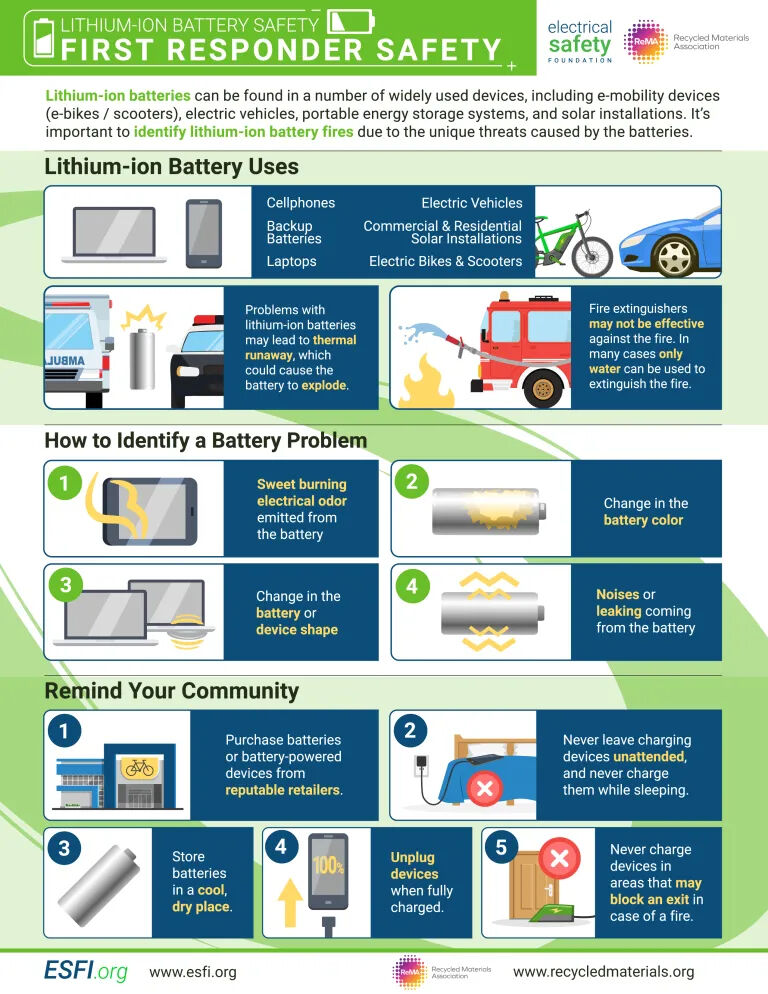
Thermal Runaway Prevention: Core Chemical and Physical Safeguards
Cell-Level Protections: Thermal Fuses and PTC Devices
Good quality lithium batteries have built-in safety features at the individual cell level that help prevent dangerous thermal runaway situations. When things get too hot inside the battery, usually around 90 to 120 degrees Celsius, special thermal fuses kick in and cut off the electricity completely. This stops extra power from getting into the system before it gets really bad. Another important protection comes from what's called PTC devices. These work kind of like automatic switches that reset themselves after triggering. As soon as they detect rising temperatures, their resistance goes up dramatically within just a few milliseconds, which limits how much current can pass through without cutting it off for good. All these different safety measures together make sure that if one part starts heating up, it doesn't spread throughout the whole battery pack. Tests done by independent labs show that batteries with these protections are about 72 percent less likely to experience serious thermal issues than those without them.
Stabilized Electrochemistry: Ceramic-Coated Separators and Safe Electrolyte Additives
The latest separator materials and special electrolytes act as important safeguards against dangerous heat spread in battery systems. Separators coated with ceramics like alumina or silica can hold their shape even when temperatures climb past 150 degrees Celsius, which makes them much better at stopping dendrites from growing through and causing shorts inside the cell. Many manufacturers now include flame retardants in their electrolytes too. These additives, often based on organophosphates or fluorinated chemicals, push back the point where batteries catch fire by around 30 to 40 degrees. They also cut down on the amount of gas produced when a battery gets overcharged or stressed thermally. Putting these two technologies together gives operators about 8 to 12 extra minutes before thermal runaway starts kicking in. That might not seem like much, but it creates a real opportunity to spot problems early and take corrective action before things get out of hand.
Intelligent Electronic Protection via Advanced Battery Management Systems
Critical BMS Functions: Overvoltage, Undervoltage, Overcurrent, and Short-Circuit Protection
A Battery Management System (BMS) serves as the central nervous system for lithium battery safety. Its primary electronic safeguards include:
- Overvoltage protection, which halts charging when any cell exceeds 4.2V ±0.05V to prevent electrolyte decomposition and gas evolution
- Undervoltage cutoffs, disconnecting loads below 2.5V ±0.1V to avoid copper dissolution and irreversible shunting
- Millisecond-response overcurrent circuits, interrupting currents exceeding design limits—e.g., 3C continuous or 5C peak discharge—to limit resistive heating
- Short-circuit mitigation, triggering in under 500 microseconds when current surges beyond 100A
These layered countermeasures isolate faults before thermal events initiate. Leading manufacturers implement them through redundant ASIC-based controllers compliant with UL 1973 (2023) functional safety standards.
Precision Monitoring: Real-Time Cell Balancing and Multi-Point Temperature Sensing
Advanced BMS units continuously optimize performance and safety through:
- Active cell balancing, redistributing energy at ±10mA precision during charge/discharge cycles to maintain voltage differentials below 20mV across all cells
- 16+ temperature sensors per module, tracking thermal gradients at 0.5°C resolution and feeding predictive algorithms that identify runaway risk up to 12 minutes before onset
This granular monitoring enables adaptive responses—such as throttling charge rates when internal temperature differentials exceed 5°C—enhancing both longevity and safety. Field data from industrial deployments confirms such systems reduce thermal incident risks by 72% compared to passive-only designs.
Mechanical Resilience: Enclosure Design and Environmental Protection for Lithium Battery Safety
Good mechanical design plays a key role in avoiding serious system failures. Battery enclosures made with quality materials stand up to impacts, crushing forces, and vibrations that can damage sensitive parts inside. Most industrial grade products hit at least IP54 standards for dust and water protection, which stops those pesky particles and damp conditions from getting into the unit where they cause corrosion problems and electrical shorts. When picking materials, engineers have to weigh different factors. Aluminum works great for letting heat escape naturally without needing extra cooling systems, but sometimes polymer composites make more sense because they resist rust better and are lighter overall. These enclosures also handle extreme temperatures pretty well, working reliably from as cold as minus 40 degrees Celsius right up to 60 degrees Celsius. Putting all these features together creates a defense system against mechanical issues that might lead to dangerous thermal events down the road.
Regulatory Validation: Key Certifications That Verify Lithium Battery Safety
UL 1642, UN 38.3, and IEC 62133 — What Each Standard Tests and Why It Matters
The safety of lithium batteries depends heavily on those international certifications everyone talks about when discussing proper protection measures. Take UL 1642 for instance, which looks at how well individual cells hold up. These tests include things like short circuits and overcharging from an electrical standpoint, while mechanically they check if batteries can survive being crushed or impacted. Environmental factors matter too, so they simulate extreme temperatures and high altitudes to see if thermal runaway becomes an issue. Then there's UN 38.3, required for transporting batteries anywhere by plane, ship or truck. This one makes sure batteries stay stable during actual shipping conditions like vibrations, repeated heating/cooling cycles, and those low pressure situations we all know about. For smaller devices and light industrial equipment, IEC 62133 comes into play. It checks what happens when batteries get overcharged, forced to discharge quickly, or exposed to abnormal temperatures. The good news? When manufacturers follow all these standards together, failure rates drop around 80% in properly certified products. That means better access to markets worldwide and real peace of mind for businesses using lithium batteries in everything from regular commerce to critical operations where safety simply cannot be compromised.
FAQ
What is thermal runaway in lithium batteries? Thermal runaway is a condition where the temperature of a battery increases rapidly, leading to overheating and potential failure.
How do thermal fuses work in lithium batteries? Thermal fuses cut off electricity completely when the battery's temperature becomes too high, preventing further heating and potential thermal runaway.
Why are ceramic-coated separators important? Ceramic-coated separators hold their shape at high temperatures, preventing dendrite formation and internal shorts.
What role do Battery Management Systems (BMS) play in battery safety? BMS provide critical functions such as overvoltage, undervoltage, overcurrent, and short-circuit protection, ensuring lithium battery safety.
What are some key certifications for lithium battery safety? UL 1642, UN 38.3, and IEC 62133 are important certifications that test various aspects of battery safety, ensuring products meet international safety standards.
Table of Contents
- Thermal Runaway Prevention: Core Chemical and Physical Safeguards
- Intelligent Electronic Protection via Advanced Battery Management Systems
- Mechanical Resilience: Enclosure Design and Environmental Protection for Lithium Battery Safety
- Regulatory Validation: Key Certifications That Verify Lithium Battery Safety