 EN
EN

Why Lithium Iron Phosphate Batteries Deliver Lower Total Cost of Ownership
Material Cost Savings: No Cobalt or Nickel in Lithium Iron Phosphate Chemistry
LFP batteries swap out costly metals like cobalt and nickel for cheaper, readily available iron and phosphate materials. This switch cuts down on raw material costs by around 40 percent when compared to those fancy NMC batteries. Cobalt prices have been hovering above $30k per ton while nickel sits somewhere close to $20k these days in 2024 markets. The fact that LFP doesn't rely so heavily on specific minerals gives both makers and customers some protection against wild swings in metal prices. What does this mean practically? Battery packs cost about 15 to 25 percent less right off the bat without compromising on safety standards, heat resistance, or how well they actually perform under real world conditions.
Extended Cycle Life: 3,000–7,000 Cycles Reducing Replacement Frequency
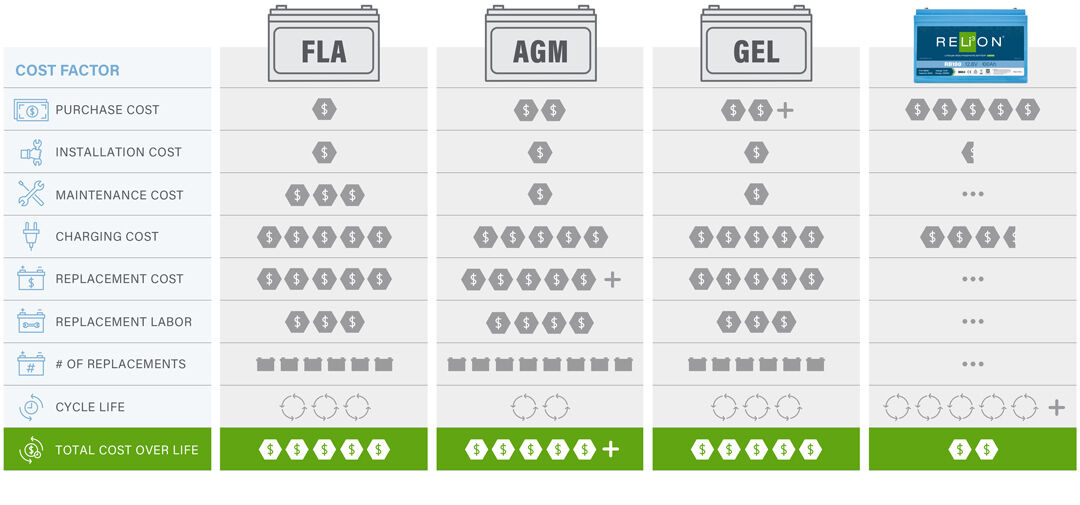
LFP batteries can last between 3,000 to 7,000 full charge cycles when discharged to 80% capacity. That means they last about three times longer than traditional lead-acid batteries which manage only 500 to 1,200 cycles. Compared to NMC batteries, LFP still outperforms them significantly with around double their cycle life of 1,000 to 2,000 cycles. The reason for this impressive longevity lies in the stable olivine crystal structure within LFP cells. This structure doesn't break down as easily during the constant process of lithium ions moving in and out of the battery material. Industrial customers have found that these batteries often need replacing every 8 to 12 years rather than every few years. Over ten years, this translates to cutting overall costs by approximately 40%. Another big plus is how well LFP handles temperature extremes ranging from minus 20 degrees Celsius all the way up to 60 degrees Celsius without losing much power or needing special cooling systems.
Lithium Iron Phosphate vs. Competing Chemistries: A Lifecycle Cost Comparison
LFP vs. NMC: Upfront Cost Trade-offs and Lifetime Value
NMC batteries do have better energy density, which matters a lot when space is tight. But there's a catch: they depend heavily on cobalt and nickel, and that drives up material costs while creating problems in the supply chain. Lithium iron phosphate (LFP) takes a different approach by cutting out those expensive metals altogether. This change brings down the initial cost of battery packs anywhere from 20% to 30%. What really stands out though is how much longer LFP lasts. These batteries can go through between 3,000 and 7,000 charge cycles, almost twice what we typically see with NMC batteries. That means lower costs over time, maybe even cutting the lifetime expense per kilowatt hour by as much as 40%. For things like large scale grid storage systems or home energy solutions where physical size isn't such a big concern, LFP just makes more sense financially because of its longevity and overall cost effectiveness.
LFP vs. Lead-Acid: Energy Density vs. Long-Term Economic Efficiency
While lead-acid batteries might look cheaper upfront, they actually cost much more over time because they just don't last as long. These batteries typically last between 300 to 500 charge cycles when discharged halfway, which means users have to buy bigger ones to prevent them from dying early. Plus, they need constant checking and proper ventilation to work safely. Lithium iron phosphate (LFP) batteries tell a different story altogether. They can handle over 3,000 full charges at around 80-90% depth of discharge. The energy density is also way better at 90-160 Wh per kilogram compared to lead-acid's pitiful 30-50 Wh per kg. When looking at costs over a decade period, all these factors combine to make LFP about 60% cheaper overall for applications where batteries get used frequently, such as storing solar energy for home consumption or providing reliable backup power during outages.
Real-World Cost-Effectiveness Across Key Applications
Residential Solar Storage: Levelized Cost per kWh Over 10+ Years
When it comes to storing energy at home, lithium iron phosphate batteries actually cut the cost of electricity by around 40% compared to old fashioned lead acid ones when looking at a ten year period. Why? Well there are several reasons working together here. First off, these batteries last much longer - about 10 to 15 years instead of just 3 to 5 with lead acid. They also lose very little capacity over time, only about half a percent each month during normal usage. And best of all, they require absolutely no maintenance whatsoever. Another big plus is their ability to discharge up to 80% of stored power without damage. This means homeowners can get maximum use out of their solar panels every day. In areas where sunlight is abundant, this kind of performance can shorten the payback period to between 5 and 7 years. Plus, it removes the need for expensive extra equipment or special cooling systems that would otherwise be necessary with other battery types.
Electric Vehicles: Depreciation, Warranty Coverage, and Service Cost Benefits
Electric vehicles equipped with lithium iron phosphate (LFP) batteries tend to lose value about 15 to 20 percent slower than other models. Real world tests have shown these batteries can keep working reliably well past 300,000 miles of driving. Most car manufacturers are now offering warranty coverage of 8 years or 150,000 miles for LFP battery packs, which is actually two years longer than what's standard across the industry. This extended warranty period shows how confident makers are about the heat tolerance and long term durability of these batteries. The stable voltage output from LFP cells plus their ability to resist dendrite formation means manufacturers don't need those complicated balancing circuits or expensive cooling systems that other battery types require. For companies running large fleets, this translates into around $180 saved each year on maintenance costs per vehicle. And when these cars eventually get sold after five years, they typically fetch prices that are about 12 percent higher compared to similar vehicles with different battery chemistries.
Market Trends Accelerating the Lithium Iron Phosphate Cost Advantage
Costs for LFP batteries are dropping fast right now because several things are happening at once. Production scales up in both electric vehicles and stationary storage markets, new electrode designs come out, and people start using more hydrometallurgical recycling methods. This last one looks set to expand pretty quickly over the next decade or so. Iron and phosphate resources within many countries mean they don't have to rely so much on imports, which cuts down on paperwork and environmental headaches. Plus, governments around the world keep pushing policies that support batteries without dangerous materials like cobalt. All these factors combined make LFP batteries more than just another option in the market. They actually represent the cheapest way to go when looking at total costs over time, especially where reliability matters most and safety cannot be compromised for any reason.
FAQ
What are the material cost advantages of LFP batteries?
LFP batteries eliminate the need for costly materials like cobalt and nickel, replacing them with more affordable iron and phosphate, leading to significant reductions in raw material costs.
How long do LFP batteries last compared to other battery types?
LFP batteries offer an extended cycle life of 3,000 to 7,000 cycles, greatly outlasting both lead-acid and NMC batteries, which contribute to lower replacement frequency and cost savings.
Why are LFP batteries more suitable for home energy storage?
LFP batteries have higher energy density, longer lifespan, minimal capacity loss over time, and require no maintenance, making them ideal for residential solar storage.
How do LFP batteries affect the depreciation of electric vehicles?
LFP batteries help reduce the rate of depreciation in EVs compared to other battery types, leading to higher resale values and extended warranty coverage.
What market trends support the cost-effectiveness of LFP batteries?
Increased production scale, innovation in electrode design, and supportive government policies are driving down the cost of LFP batteries, making them the most cost-effective choice in the long term.
Table of Contents
- Why Lithium Iron Phosphate Batteries Deliver Lower Total Cost of Ownership
- Lithium Iron Phosphate vs. Competing Chemistries: A Lifecycle Cost Comparison
- Real-World Cost-Effectiveness Across Key Applications
- Market Trends Accelerating the Lithium Iron Phosphate Cost Advantage
-
FAQ
- What are the material cost advantages of LFP batteries?
- How long do LFP batteries last compared to other battery types?
- Why are LFP batteries more suitable for home energy storage?
- How do LFP batteries affect the depreciation of electric vehicles?
- What market trends support the cost-effectiveness of LFP batteries?