 EN
EN

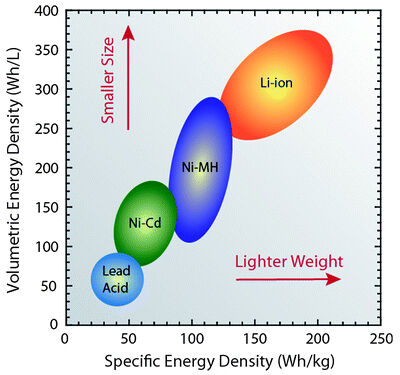
Understanding Energy Density Metrics for LiFePO4 Cylindrical Batteries
Specific Energy Density (Wh/kg): Typical Range and Influencing Factors
LiFePO4 cylindrical cells generally offer around 90 to 120 Wh per kg which is roughly 30 percent less than what we see with NMC chemistries. The reason for this difference lies in the material properties of LiFePO4 itself. Its heavier olivine crystal structure combined with a stable 3.2 volt discharge makes these batteries safer thermally and gives them longer cycle life, though at the expense of energy density per unit weight. When it comes to design considerations, two main factors stand out electrode thickness and how much carbon coating gets applied to the cathode. Thinner electrodes below 80 microns definitely boost the amount of active material available, but they also make production processes more complicated. And let's not forget about cold weather effects either. Operating these batteries in sub zero conditions can cut their usable energy capacity by as much as 20%. That highlights why anyone evaluating battery performance needs to take actual operating temperatures into account rather than just looking at lab results.
Volumetric Energy Density (Wh/L): How Cell Geometry and Packing Efficiency Shape Output
LiFePO4 cylindrical cells typically have volumetric densities between around 140 to 330 Wh per liter, which depends a lot on how well they're designed. Cylindrical shapes work really well mechanically because of the way pressure spreads evenly across them, making sure ions keep moving consistently even when there's vibration or weight applied. But here's the catch: since these cells come in fixed diameters, there are always those annoying little gaps between modules when we put them together, cutting down overall system density by about 15 to maybe 25 percent compared to prismatic designs. The need for thermal management adds another layer of complexity too, as cooling spaces make things worse, although laser welding techniques do reclaim some of that lost room. What makes cylindrical cells stand out though is their impressive energy retention rate above 95% after going through 2000 charge cycles. This happens mainly because they handle heat so much better than other formats, and while they aren't the most efficient in terms of space usage, their long term reliability definitely makes up for it in many applications.
Why LiFePO4 Cylindrical Cells Trade Energy Density for Robustness and Longevity
Inherent Chemistry Constraints: Voltage Plateau and Atomic Mass Limitations
The maximum energy density of LiFePO4 batteries comes down to basic chemistry principles. The battery has this pretty flat 3.2V discharge curve which actually helps reduce unwanted chemical reactions inside the cell. But there's a downside too. Iron and phosphate atoms are heavier than nickel or cobalt, so the specific energy drops to around 90-120 Wh/kg compared to about 150-220 Wh/kg for NMC batteries. What makes LiFePO4 special though is something else entirely. Those strong bonds between phosphorus and oxygen atoms plus the stable structure of the olivine lattice mean these batteries just don't catch fire easily. They also last much longer over time. So when engineers choose LiFePO4, they're making a conscious decision based on safety and lifespan rather than settling for something inferior.
Cylindrical Design Advantages—Thermal Stability, Manufacturing Consistency, and Cycle Life
The cylindrical format amplifies LiFePO4’s safety and durability through three synergistic advantages:
- Thermal management: Rigid steel casings promote even heat dissipation during high-current operation, suppressing localized hotspots that accelerate degradation in prismatic formats
- Manufacturing precision: Automated winding and sealing achieve <0.1% defect rates, ensuring tight tolerances and uniform aging across large packs
- Cycle longevity: Combined with LiFePO4’s chemical stability, the mechanical integrity of cylindrical cells enables 10,000+ cycles at 80% depth of discharge—more than triple typical NMC lifespan
This convergence of chemistry and form factor makes LiFePO4 cylindrical cells the benchmark for applications demanding decades of dependable, low-maintenance operation—not peak energy storage.
LiFePO4 Cylindrical vs. Alternatives: Practical Energy Density in System-Level Applications
Versus NMC and LiCoO2 Cylindrical Cells: Chemistry-Driven Density Gaps
The energy density of LiFePO4 cylindrical cells typically ranges from 90 to 120 Wh/kg, which is about 30 to 40 percent lower than what we see with NMC batteries (which hit 150 to 220 Wh/kg) and even further behind LiCoO2 options. This difference comes down to two main factors: the lower operating voltage around 3.2 volts versus at least 3.7 volts for NMC, plus the fact that LiFePO4 has a heavier cathode material. Although this means less power packed into each kilogram, there's a major upside when it comes to safety. The point at which LiFePO4 starts to experience thermal runaway is way above 270 degrees Celsius, whereas NMC materials begin to break down around 200 degrees. That significant gap means manufacturers don't need those complicated and power hungry cooling systems that are so common with other battery types. For things like backup power installations or electric delivery trucks, where keeping things cool without spending extra money matters more than squeezing every last watt hour out of the battery pack, LiFePO4 becomes an obvious choice.
Cylindrical vs. Prismatic LiFePO4: Pack Integration, Cooling, and Effective Wh/L at Module Level
When looking at individual cells, prismatic LiFePO4 batteries generally pack about 15 percent more volume thanks to their rectangular shape that fits together better. But when we get to actual battery modules, cylindrical cells catch up fast. The spaces between round cells actually work to their advantage here since they allow for better airflow and more even cooling throughout the module. This helps prevent those pesky hot spots from forming during quick charging or discharging cycles. Prismatic designs face challenges though. They need heavier duty thermal materials and complicated cooling systems just to handle the heat distribution issues that naturally occur with their flat geometry. These requirements eat into the space savings they promised on paper. Another thing worth mentioning is how cylindrical cells maintain stable internal pressure over many thousands of charge cycles. This makes them particularly robust in applications where there's constant vibration like warehouse forklifts or remote solar installations that experience rough conditions day after day.
FAQ Section
What is the typical energy density for LiFePO4 cylindrical cells?
The typical energy density for LiFePO4 cylindrical cells ranges from 90 to 120 Wh/kg.
Why do LiFePO4 batteries have lower energy density compared to NMC batteries?
LiFePO4 batteries have lower energy density due to their heavier olivine crystal structure and stable 3.2 volt discharge, making them thermally safer but lower in specific energy per unit weight compared to NMC batteries.
What are the advantages of cylindrical LiFePO4 cells in terms of thermal management?
Cylindrical LiFePO4 cells have rigid steel casings that promote even heat dissipation, reducing localized hotspots and suppressing degradation compared to prismatic formats.
How do cylindrical LiFePO4 batteries compare to prismatic batteries at the module level?
Cylindrical batteries allow for better airflow and even cooling between cells, which can be advantageous at the module level despite prismatic cells packing more volume in individual cells.
Table of Contents
- Understanding Energy Density Metrics for LiFePO4 Cylindrical Batteries
- Why LiFePO4 Cylindrical Cells Trade Energy Density for Robustness and Longevity
- LiFePO4 Cylindrical vs. Alternatives: Practical Energy Density in System-Level Applications
-
FAQ Section
- What is the typical energy density for LiFePO4 cylindrical cells?
- Why do LiFePO4 batteries have lower energy density compared to NMC batteries?
- What are the advantages of cylindrical LiFePO4 cells in terms of thermal management?
- How do cylindrical LiFePO4 batteries compare to prismatic batteries at the module level?