 EN
EN

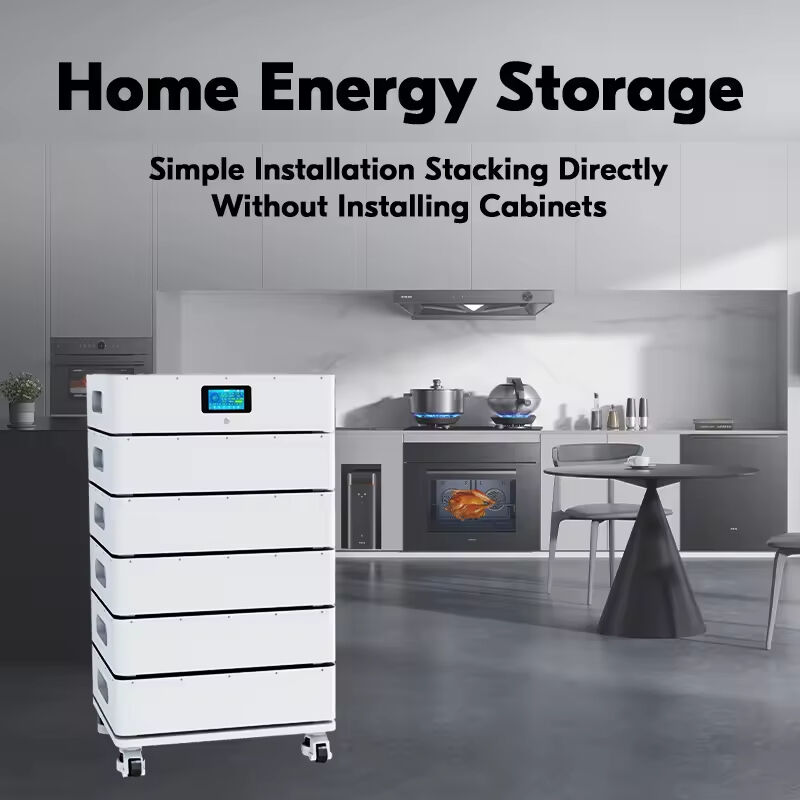
Physical Space and Environmental Requirements for Stackable Battery Installation
Ventilation, Thermal Management, and Ambient Condition Compliance
Good ventilation simply cannot be ignored when it comes to safely running stackable batteries. Lithium ion systems need constant airflow throughout their operation cycle. This helps get rid of excess heat and reduces the risk of dangerous overheating situations. According to the latest PAS 63100:2024 guidelines, nobody should install these systems inside tight spaces such as storage cabinets or attic areas. Instead, they recommend placing them in places where fresh air can circulate naturally, like garage spaces or utility areas. Extreme temperatures really hurt battery performance over time. If a system runs consistently above 40 degrees Celsius, we're looking at potential capacity losses of around 40% per year. To keep things within the ideal temperature window between 15 and 25 degrees, manufacturers often incorporate cooling solutions like metal fins or even liquid cooling systems. Controlling humidity levels also matters because damp conditions lead to corrosion issues down the road. Many top quality battery setups now come equipped with built-in environmental monitoring devices. These sensors notify operators whenever something goes out of spec, which makes meeting those tricky ISO 12405-3 requirements much easier in practice.
Footprint Optimization via Modular Stacking and Vertical Integration
When it comes to saving space, stackable battery systems really shine because they go up instead of out. Traditional setups spread across floors like blankets, but these modular designs grow vertically, cutting down on floor space needs somewhere around 60 to maybe even 75 percent. The connectors between modules are all standardized, and gravity does most of the work aligning things properly, so there's no need for complicated bolts or welds. Take a standard 20kWh setup as an example. Normally it would take up about 2 square meters lying flat, but stack it up and it fits into just half a square meter. These systems come with pre-made rails and special pads that absorb vibrations, keeping everything stable whether someone stacks four units or goes all the way to sixteen. The whole thing still allows technicians to access components and maintain proper airflow. For anyone trying to fit energy storage into tight spots, from city apartments where every inch counts to those little telecom boxes scattered around neighborhoods, this approach works wonders without sacrificing safety standards or how well the batteries actually perform.
Electrical Integration and System Compatibility for Stackable Batteries
Effective electrical integration is critical for maximizing stackable battery performance. Modular systems rely on precise compatibility across components to maintain operational stability, efficiency, and safety.
Voltage Matching, Inverter Synchronization, and Coupling Architecture (DC/AC)
Getting the right voltage match between batteries and inverters saves energy and keeps equipment from wearing out too fast. When everything stays in sync, the phases and frequencies line up properly with whatever power source is being used, whether it's connected to the main grid or running independently. How these components connect matters a lot for how well the whole system works. With DC coupling, there's less energy lost during conversions, which makes sense for solar setups where every bit counts. AC coupling has its advantages too, especially when installing new systems alongside existing infrastructure without major rewiring. The numbers don't lie either – studies show that getting voltages wrong can cost around 15% efficiency during those busy times when demand spikes, as noted in recent research from the field of renewable storage technologies.
Interconnection Robustness: Grounding, EMI Control, and Plug-and-Play Port Design
For grounding pathways to work properly, they need to safely channel away fault currents following standards set out in IEC 62477-1. EMI shielding protects all sorts of sensitive gear like medical devices and control systems against unwanted interference that can disrupt signals completely. The new generation of plug and play ports comes equipped with smart auto detection features so there's no need for tedious manual setup anymore, which cuts down on installation time quite a bit. When it comes to connectors, going standardized makes sense because these interconnect solutions offer solid mechanical strength plus proper IP ratings against dust and moisture getting inside. According to recent findings published in the Energy Safety Report last year, installations where grounding was done incorrectly face roughly a 32 percent higher chance of failures when exposed to those damp, humid conditions.
Structural Integrity, Safety Compliance, and Regulatory Readiness
When it comes to stackable battery installations, making sure they can handle the weight properly is absolutely critical. Engineers need to carefully analyze how loads are distributed throughout the system, particularly when dealing with earthquakes or other mechanical stresses that might occur. For big installations, following UL 9540A standards isn't optional anymore. This certification basically proves that batteries won't catch fire and contain those dangerous thermal runaways we all fear. Not getting certified can lead to serious problems though. According to NFPA data from last year, companies caught violating these rules face fines over $100k each time. Before starting any project, teams should check off several boxes too. They need to get ahead of local regulations first, looking at things like IBC Section 1206 requirements for buildings, plus electrical standards outlined in NEC Article 480. Getting all the paperwork ready early on makes inspection processes go much smoother. Collecting stuff like material certifications, running computer models of structural performance, and obtaining third party testing results helps avoid those frustrating delays during installation. Experience shows projects with good documentation finish around 40% faster than ones without. Safety, meeting regulations, and being able to scale up operations all come together nicely when proper planning happens upfront.
How Stackable Battery Design Choices Accelerate Deployment
Pre-Configured Thermal and Communication Systems Reducing On-Site Labor
Stackable battery architectures accelerate deployment through factory-integrated engineering. Pre-configured thermal management including centralized cooling pathways and optimized heat dissipation materials eliminates custom on-site calibration. Likewise, plug-and-play communication ports with standardized protocols enable immediate system handshaking without field-level programming. These design choices deliver three key efficiencies:
- 60% faster commissioning, bypassing manual BMS configuration
- Reduced wiring complexity, enabled by unified harnesses that interconnect stacked units
- Vertical space optimization, allowing scalable capacity expansion within tight footprints
As documented in the Renewable Energy Journal (2024), installation labor drops by ~40%, transforming multi-day deployments into single-shift completions turning complex integrations into predictable, repeatable processes.
FAQ Section
Why is good ventilation important for stackable battery systems?
Good ventilation is essential because it helps remove excess heat and reduces the risk of overheating, which can be dangerous for lithium-ion systems.
What are the benefits of modular stacking and vertical integration?
Modular stacking and vertical integration save space by allowing systems to expand upwards rather than outwards, which reduces floor space requirements by up to 75% and facilitates maintenance and airflow.
How does proper voltage matching enhance system performance?
Proper voltage matching ensures energy efficiency and extends the lifespan of equipment by maintaining phase and frequency alignment with the power source.
Why is grounding important in stackable battery installations?
Proper grounding is crucial for safely channeling fault currents and protecting against electromagnetic interference (EMI), which can affect sensitive equipment.
What standards must be considered for safety compliance?
Safety standards like UL 9540A and regulatory guidelines such as IBC Section 1206 should be followed to ensure the system's integrity and adherence to local regulations.
Table of Contents
- Physical Space and Environmental Requirements for Stackable Battery Installation
- Electrical Integration and System Compatibility for Stackable Batteries
- Structural Integrity, Safety Compliance, and Regulatory Readiness
- How Stackable Battery Design Choices Accelerate Deployment
-
FAQ Section
- Why is good ventilation important for stackable battery systems?
- What are the benefits of modular stacking and vertical integration?
- How does proper voltage matching enhance system performance?
- Why is grounding important in stackable battery installations?
- What standards must be considered for safety compliance?