 EN
EN

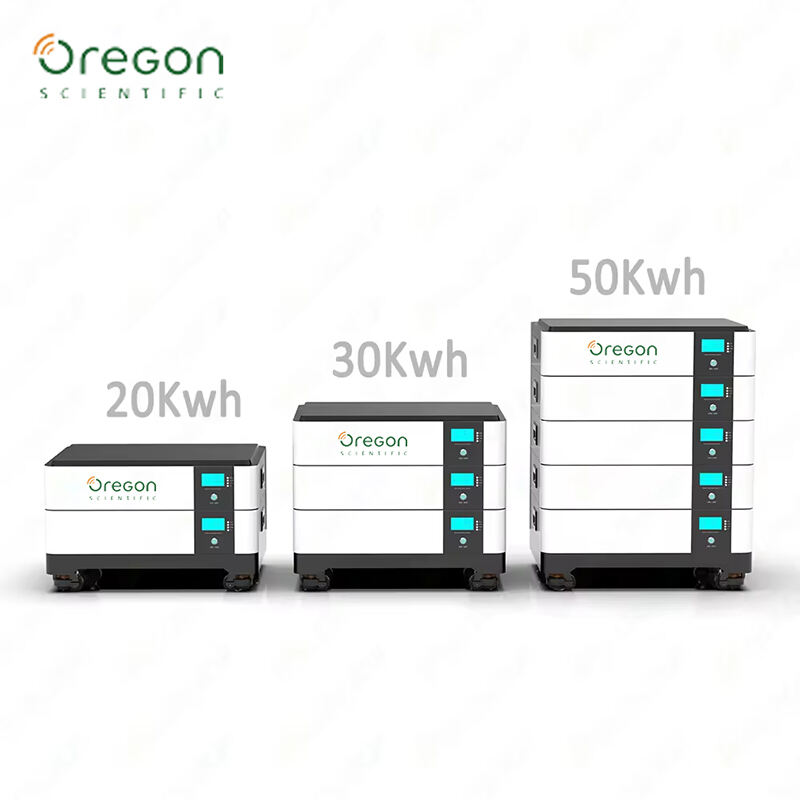
Why Lithium Iron Phosphate (LiFePO4) Is the Top Choice for Most Off-Grid Home Solar Systems
Long Cycle Life and Deep Discharge Capability for Daily Energy Reliability
LFP batteries last way longer than old school lead acid ones, typically going through around 3,000 to even 7,000 charge cycles before showing much wear and tear. For folks living off the grid who rely on their storage day after day, this means they don't have to worry about sudden drops in performance when they need it most. What makes LFP really stand out is how deep they can be discharged safely, usually around 80 to 90 percent of their total capacity. Homeowners actually get to use almost all the stored electricity without hurting the battery lifespan. Lead acid batteries tell a different story though. They need to stay above about 50 percent charge most of the time to prevent dying early, which means people end up buying bigger battery banks just to have enough usable power. When there's not much sun coming in for days on end, this becomes a big deal. LFP systems keep powering through these tough times while lead acid installations either run dry faster or suffer from constant stress that shortens their lives.
High Round-Trip Efficiency and Low Maintenance in Remote Home Solar System Installations
LiFePO4 batteries boast impressive round trip efficiency rates above 95%, so only about 5% of collected solar power gets wasted when storing and retrieving it later. Because they work so efficiently, systems need smaller photovoltaic arrays and less powerful inverters, which cuts down initial expenses and makes installation simpler overall. What really stands out though is how little maintenance they require compared to traditional options. Flooded lead acid batteries need constant attention like adding water, cleaning terminals, and running those annoying equalization charges periodically. But LiFePO4 just sits there doing its job without any interference from humans. Plus, these batteries handle extreme temperatures well too, making them great choices for off grid setups where weather can swing wildly from day to night and nobody wants to trek out there every time something goes wrong. All this adds up to systems that last longer without breaking down, saving money on repairs and spare parts over time.
When Lead-Acid Batteries Still Make Sense for Smaller or Part-Time Home Solar Systems
For specific off-grid applications—such as weekend cabins, seasonal retreats, or emergency backup systems—lead-acid batteries remain a pragmatic choice. Their lower initial cost and mechanical simplicity offer tangible advantages when energy demands are modest and usage is infrequent.
Flooded vs. AGM/Gel: Matching Battery Type to Budget, Climate, and Maintenance Capacity
When it comes to initial costs, flooded lead acid (FLA) batteries are still the cheapest option on the market, usually costing between 40 to 60 percent less than similar capacity lithium iron phosphate batteries. But there's a catch. These batteries need regular attention every three months or so. Things like checking electrolyte levels, cleaning terminals, and making sure there's good airflow to handle any gas that escapes during charging. The good news is FLA batteries tend to hold up pretty well in colder weather because of how their liquid electrolyte handles temperature changes. Looking at alternatives, AGM and gel batteries work differently. They're sealed systems that don't need maintenance, plus they resist vibrations better and won't spill if knocked over, which makes them great for tight spaces or when moving around is part of the setup. Of course, these benefits come at a price. AGM and gel batteries typically run about 20 to 30 percent more expensive than FLA versions, and they start to degrade faster once temperatures go above 25 degrees Celsius. For folks watching their budget and living somewhere with moderate weather, FLA might still make sense. But anyone who values hassle free operation, wants something safer, or needs a compact solution will probably lean toward AGM or gel technology instead.
Usable Capacity Limitations and Their Real-World Impact on Off-Grid Home Solar System Performance
The 50% depth of discharge limit on lead acid batteries really cuts down what people can actually use from them. Take a 10kWh battery bank for instance it only gives about half that amount when accessed normally. If someone wants to get similar performance out of lithium phosphate systems, they end up needing twice as much installed capacity which means bigger space requirements, more complicated wiring setups, and higher overall installation expenses. And here's another problem even if these batteries are cycled shallowly most of the time, they still degrade pretty fast. Most lead acid units last between three to seven years based on how hard they're worked and where they're located, so folks often find themselves replacing them several times within ten years alone. For occasional use situations where complete daily discharges happen infrequently, this might still work financially speaking. However, homeowners who rely heavily on their off grid power solutions throughout the entire year face serious limitations that simply don't justify saving money upfront.
Total Cost of Ownership: Evaluating True Value Across 10 Years of Home Solar System Operation
Lifecycle Cost Modeling: Factoring in Replacement Cycles, Efficiency Loss, and Labor for Off-Grid Home Solar Systems
Accurate financial assessment for off-grid energy requires looking beyond sticker prices. While lead-acid batteries appear cheaper initially, lithium iron phosphate (LiFePO4) solutions typically deliver 40–60% lower lifetime costs over a decade. Three factors dominate this calculation:
- Replacement cycles: Lead-acid systems commonly require 2–3 full battery bank replacements within 10 years; LiFePO4 typically operates reliably for the full period—and often beyond—on a single installation.
- Efficiency degradation: Lead-acid batteries lose 1–2% of usable capacity annually and suffer cumulative round-trip losses (70–85% efficiency), compounding energy waste over time. LiFePO4 retains >80% of original capacity after 4,000 cycles and sustains >95% round-trip efficiency throughout its service life.
- Labor and maintenance: Flooded lead-acid demands monthly inspections and electrolyte management, adding $200–$500/year in hidden labor, parts, and site visit costs—especially burdensome in remote locations.
When modeled holistically, a $5,000 LiFePO4 system averages $0.08/kWh over 10 years, compared to $0.15/kWh for a $2,500 lead-acid setup once replacement hardware, labor, and efficiency penalties are included. This nearly 50% difference underscores why lifecycle analysis—not first-cost alone—is essential for maximizing your home solar system investment.
Frequently Asked Questions
What is the main advantage of LiFePO4 batteries over lead-acid batteries?
LiFePO4 batteries offer a longer cycle life, deeper discharge capability, higher efficiency, and require less maintenance compared to lead-acid batteries, making them ideal for off-grid solar systems.
Why might someone still choose a lead-acid battery for their solar system?
Lead-acid batteries can be a practical choice for applications with modest energy demands and infrequent usage due to their lower initial cost and simplicity.
How do temperature changes affect different battery types?
LiFePO4 batteries handle extreme temperatures better, while flooded lead-acid batteries perform relatively well in colder climates. AGM and gel batteries degrade faster in higher temperatures.