 EN
EN

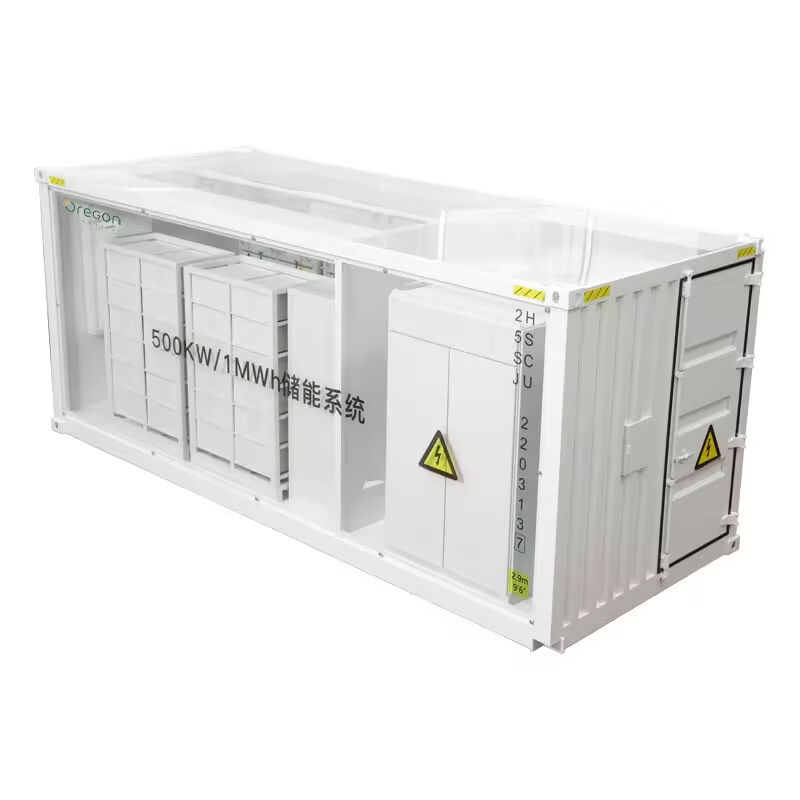
Air Cooling for Energy Storage Containers: Simplicity, Scalability, and Limitations
How Air Cooling Works in Containerized Energy Storage Systems
The basic idea behind air cooling is pretty straightforward really. It works by moving regular or cooled air through those battery racks with the help of fans and some clever vent placement throughout the setup. When it comes to how heat actually moves around, we're talking about convection here. The spaces between battery modules are specifically designed so that air can flow properly and carry away excess heat efficiently. What makes this method work well for lithium ion batteries is that it keeps them running at just the right temperatures, somewhere between about 15 degrees Celsius up to 35 degrees Celsius. That sweet spot helps maintain good chemical reactions inside the cells themselves. Another big plus is that the whole system isn't complicated mechanically speaking. This means installations happen quickly and consistently from one container to another. Plus, the fans don't need much extra power to run either, usually taking less than five percent of what the entire system produces for their operation alone.
Trade-offs: Cost, Maintenance, and Thermal Uniformity Challenges
Air cooling typically costs around 60 to 70 percent less upfront compared to liquid cooling options, which makes it appealing for projects where budget is tight or timelines are pressing. But there's a catch. Air has very poor thermal capacity at just 0.0012 joules per gram degree Celsius, which pales in comparison to water's impressive 4.18 J/g°C. This fundamental limitation means air simply can't remove heat as effectively. When systems run under heavy workloads for extended periods, we often see temperature differences of more than 8 degrees Celsius within a single server rack. This leads to components wearing out at different rates and shortens their overall lifespan. Things get even trickier in dusty conditions or when ambient temperatures climb above 30 degrees Celsius. Filters need cleaning every month instead of quarterly, and operators usually have to reduce system performance by 20 to 30 percent to prevent overheating issues. For these reasons, most experts would steer clear of air cooling solutions in facilities needing power densities beyond approximately 150 kilowatt hours per cubic meter.
Liquid Cooling for Energy Storage Containers: Performance, Safety, and Integration Complexity
Enhanced Thermal Control and Long-Term Battery Health Benefits
In liquid cooling systems, water mixed with glycol or special dielectric fluids runs through cold plates that sit right against battery cells. This setup gives much better temperature control than traditional methods, usually keeping things within about 2 degrees Celsius of what's needed. No more those pesky air gaps that cause uneven heating. When batteries stay at consistent temps, they don't develop those dangerous hot spots that speed up chemical breakdown processes like SEI layer growth and cathode wear. Manufacturers report cycle life improvements around 20 to maybe even 30 percent over standard air cooling solutions. Plus, the whole system keeps coolant separate from electrical parts which makes everything safer operationally. For large scale energy storage installations, this matters a lot because space efficiency translates directly into financial returns when deploying these systems across wide areas.
Energy Penalty, Leak Risks, and System-Level Design Constraints
Liquid cooling definitely has better thermal performance, but it comes at a price. The pumps alone add about 15 to 30 percent more energy consumption compared to standard air cooling systems according to NREL research from 2023. Preventing leaks requires serious engineering work. We're talking about extra seals that back each other up, constant pressure checks, and special materials that resist corrosion. All these features push installation costs up anywhere from 25% to 40%. Putting it all together creates another headache. Chillers need their own space on the factory floor, fighting for room with those power conversion systems. And what happens when facilities are spread out or located remotely? Maintenance becomes a real problem because technicians just aren't there. That's why many companies still stick with traditional methods for things like distributed networks, off grid operations, or those quick setup containers they need to roll out fast.
Hybrid and Emerging Cooling Strategies for Energy Storage Containers
For energy storage container deployments facing dynamic thermal loads, hybrid cooling combines liquid cooling with phase change materials (PCMs) to balance performance, efficiency, and resilience.
Liquid–PCM Combinations for Peak Load Mitigation and Thermal Buffering
When we add phase change materials like paraffin composites to liquid cooling systems, it gives us two ways to manage heat at once. These materials soak up extra warmth during sudden spikes through melting processes, which helps keep temperatures from climbing dangerously high. Chillers end up running about 25 to 40 percent less often because of this. The system stays pretty consistent temperature-wise, usually within plus or minus 2 degrees Celsius even when outside conditions fluctuate, so battery packs last longer overall. There are some challenges though. Materials need to work well together, particularly against those pesky electrolyte vapors. And most PCMs can only handle around a thousand complete melt-freeze cycles before they start to degrade, so picking the right material and figuring out how long it will last becomes really important for anyone designing these systems.
Emerging Trends: Immersion Cooling and Smart Adaptive Thermal Management
Immersion cooling with dielectric fluids works by fully submerging battery modules in a non-conductive liquid. This approach gets rid of those pesky thermal resistances at interfaces and actually transfers heat about 50% better than traditional cold plate methods. Combine this technique with smart thermal management powered by artificial intelligence, and things get even more interesting. The AI looks at past usage patterns along with current sensor readings to anticipate when cooling demands might change. Based on these predictions, the system adjusts coolant flow rates accordingly. This kind of flexibility stops unnecessary overcooling which wastes energy and money alike. According to research from the Ponemon Institute back in 2023, facilities implementing such adaptive cooling solutions can save around $740,000 each year on their operating expenses alone.
| Cooling Component | Primary Function | Performance Impact |
|---|---|---|
| Liquid Cold Plates | Active heat extraction | Rapid bulk temperature reduction |
| PCM Integration | Passive thermal buffering | Peak load absorption, delay critical ΔT |
| Smart Control Systems | Predictive flow adjustment | 15–30% lower energy penalty |
For energy-critical applications, modern hybrid strategies optimize capex through scalable, modular designs while ensuring long-term thermal stability via advances in material science and intelligent controls.
Selecting the Right Cooling Method for Your Energy Storage Container Deployment
Choosing between air, liquid, or hybrid cooling requires evaluating three interdependent factors: system scale, operational environment, and lifecycle cost profile.
Small-to-medium installations (<5 MWh) in temperate climates (average ambient <25°C) typically benefit most from air cooling its 40% lower upfront cost (per industry benchmarks) and straightforward maintenance align well with predictable, moderate-duty cycles.
Large-scale or mission-critical deployments especially in hot, humid, or dust-prone regions demand liquid cooling™s precision. Maintaining cells within the 15-35°C window isn™t just ideal; it™s essential for longevity: every 10°C rise above 30°C can halve lithium-ion battery service life.
Hybrid solutions offer a strategic middle ground for variable-load applications such as commercial microgrids or renewable-integrated storage but introduce added design, validation, and commissioning complexity.
Regardless of choice, always begin with a site-specific thermal load analysis factoring in local climate data, duty cycle profiles, and spatial constraints to ensure the selected cooling architecture supports both immediate performance and 10+ year asset value.
FAQ
1. Why is air cooling appealing despite its thermal limitations?
Air cooling is appealing due to its cost-effectiveness and simplicity, making it suitable for projects with tight budgets and schedules.
2. What benefits do liquid cooling systems offer?
Liquid cooling provides enhanced thermal control and safety, leading to improved battery cycle life and operational efficiency.
3. How do hybrid cooling solutions work?
Hybrid cooling combines different methods, like liquid and PCM, to manage heat dynamically and ensure thermal stability.
4. When are hybrid cooling solutions recommended?
Hybrid cooling is best for applications with variable loads, such as commercial microgrids, where a balance between efficiency and complexity is needed.
Table of Contents
- Air Cooling for Energy Storage Containers: Simplicity, Scalability, and Limitations
- Liquid Cooling for Energy Storage Containers: Performance, Safety, and Integration Complexity
- Hybrid and Emerging Cooling Strategies for Energy Storage Containers
- Selecting the Right Cooling Method for Your Energy Storage Container Deployment