 EN
EN

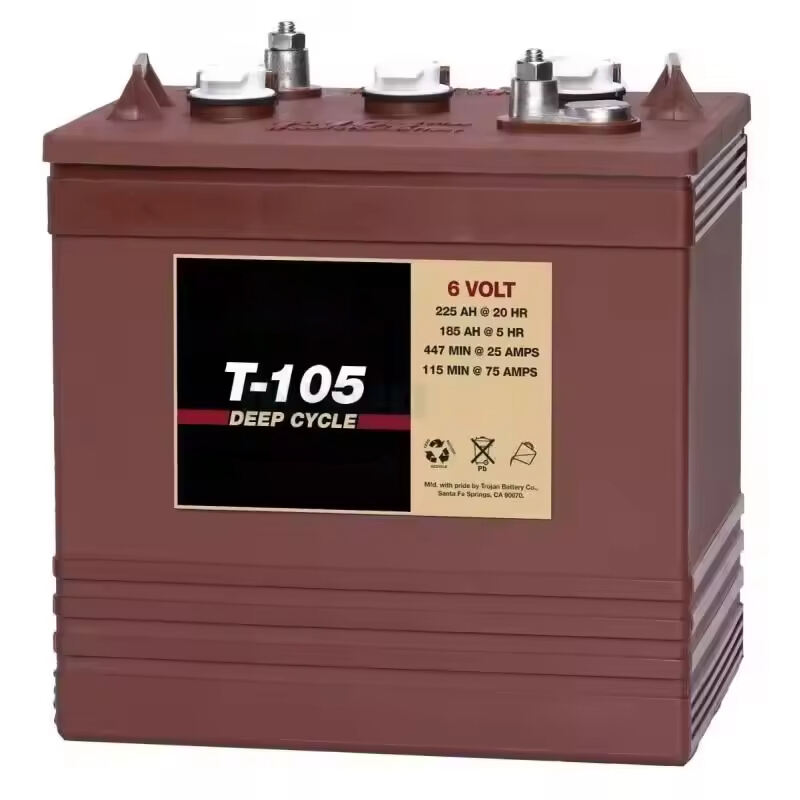
Core Degradation Factors That Shorten Lead Acid Replacement Battery Life
Temperature extremes and their effect on chemical aging and capacity loss
Extreme temperatures really take their toll on lead acid replacement batteries, causing chemical breakdowns that shorten their lifespan permanently. When temps go over 77 degrees Fahrenheit, the chemistry inside these batteries speeds up dramatically. At just 15 degrees warmer than that reference point, reaction rates actually double, which means faster grid corrosion and more shedding of the active materials inside. Hot weather causes problems too. Flooded battery designs lose water at higher rates when it's warm, while VRLA batteries dry out much quicker. Cold weather brings its own issues as well. Electrolyte solutions get thicker below freezing points, making it harder for ions to move around properly and leading to capacity losses between 20% and 50%. The damage adds up over time. A battery running regularly at 95 degrees Fahrenheit will only last about half as long compared to one kept at a cooler 75 degrees. That's why proper temperature control matters so much if we want to avoid losing battery capacity before its time.
Charging errors: Overcharge, undercharge, and improper float voltage for VRLA lead acid replacement batteries
When charging protocols go wrong, they actually create three main problems for VRLA lead acid replacement batteries. If someone charges them beyond 14.4 volts, this leads to lots of gas production and eventually drains away all the electrolyte through those little venting valves, which basically dries out the fiberglass mat inside. On the flip side, undercharging below 12.4 volts creates something called sulfation. What happens here is lead sulfate crystals start forming on the battery plates and stick there permanently, making the internal resistance jump as much as double within just a few months. Float voltages that aren't right can damage batteries too. Voltages over 13.8 volts speed up grid corrosion when the battery sits idle, whereas anything below 13.2 volts allows gradual discharge over time. Because these sealed VRLA batteries don't allow for topping up with water, such mistakes explain why about two thirds of early battery failures happen in the field based on what industry experts have observed.
Selecting the Right Lead Acid Replacement Battery Type by Application
AGM vs. gel vs. flooded deep-cycle: Matching discharge depth, thermal tolerance, and maintenance needs
Flooded lead acid batteries still offer good value when used for shallow discharges, though they require constant topping up with distilled water and need to be kept upright. AGM batteries, those absorbent glass mat types, handle deeper discharges around 50 to 60 percent depth of discharge without needing any maintenance at all. Plus they stand up better to vibrations which makes them great choice for things like boats or RVs where movement is expected. Gel batteries work really well in hot climates because their electrolyte doesn't evaporate as much, but watch out if charging gets too aggressive since these can get damaged easily. When temperatures go past about 30 degrees Celsius or 86 Fahrenheit, the lifespan drops dramatically by roughly half, so finding the right operating temperature range matters a lot. For solar storage systems that cycle regularly through 200 plus charge/discharge cycles at 50% depth, AGM is probably best bet. If dealing with equipment located in consistently warm areas, gel cells make sense despite their sensitivity issues. And flooded batteries? Stick with them only when budget constraints matter most and there's someone nearby who can check water levels regularly.
Why UPS standby use demands different longevity criteria than cyclic applications
For backup systems such as uninterruptible power supplies, what matters most is how long they can stay charged when not being used regularly. These systems need batteries that hold their charge even after sitting idle for months or years while losing very little energy on their own. Most major manufacturers create valve-regulated lead-acid batteries meant to last between five to ten years in this kind of float service. They achieve this through special calcium alloy grids that cut down on gas production during operation. On the flip side, equipment that gets used frequently like electric golf carts or solar storage systems requires completely different batteries. Deep cycle lead acid options are built to handle hundreds of full discharges at around 80% depth of discharge. Putting regular backup batteries into these heavy use situations will actually cut their lifespan short by about 40%, mainly because the materials inside start breaking away faster. To get the best results, it's important to match the right battery type to the job. Thick plate construction with dense paste works well for frequent cycling applications, whereas thinner plates made from alloys that don't lose charge so quickly are better suited for backup power needs.
Ensuring Technical Compatibility to Maximize Service Life
Critical AH, voltage, and charger alignment avoiding premature failure in lead acid replacement batteries
When specs don't match up, it's often why batteries fail so soon after installation. If someone picks out a lead acid replacement battery without enough Amp-hour capacity, what happens? The system gets pushed too hard, leading to those deep discharges that wear down the internal plates pretty fast. Some tests show this can cut capacity losses in half compared to when the right size battery is used from day one. Then there's the voltage issue that matters just as much. Take a system built for 12 volts and stick a 6 volt battery in there? Big problems follow. The charger doesn't talk properly anymore and ends up overcharging things dangerously. And let's not forget about third party chargers either. Many of these lack proper voltage settings for VRLA batteries specifically. What does that mean? Sulfation builds up inside and becomes permanent damage. Real world testing shows such mismatched charging reduces battery life expectancy around 40% overall.
For optimal compatibility, match these three parameters:
- AH rating must exceed peak load requirements by 20% for cyclic applications
- System voltage must align with original equipment tolerances (±0.5V)
- Charger algorithms should include temperature-compensated absorption phases
Avoiding specification drift ensures your replacement delivers maximum service years without premature failures.
Proactive End-of-Life Detection for Reliable Lead Acid Replacement Planning
Keeping an eye on those important performance numbers helps stop surprises when it comes to failures in systems that rely on lead acid battery replacements. Most folks in the business agree that once battery capacity falls under 80%, things start going downhill pretty fast. That's why regular testing matters so much. When we run controlled discharge tests, we can spot weak batteries long before strange voltages pop up or resistance gets out of hand and messes up operations. These days, many facilities use predictive maintenance tools that automatically log voltages and measure impedance over time. This lets them plan replacements around normal maintenance windows instead of scrambling at the last minute. For places where power outages just won't cut it, like hospitals or remote weather stations, this kind of planning makes all the difference between smooth sailing and major headaches down the road.
FAQ
How do temperature extremes impact lead acid batteries?
Extreme temperatures affect the chemical structure and performance of lead acid batteries, accelerating chemical reactions at high temperatures and causing electrolyte thickening at freezing points, which reduces capacity and lifespan.
What are the risks associated with improper charging of VRLA batteries?
Overcharging or undercharging can lead to excessive gas production or sulfation respectively, both of which reduce battery life and efficiency.
How do different battery types suit specific applications?
Flooded batteries are best for shallow cycles with maintenance, AGM batteries offer better discharge capacity and vibration resistance, while gel batteries suit hot climates but are sensitive to aggressive charging.
Why do UPS systems require different batteries compared to cyclic applications?
UPS systems need batteries that maintain charge during idle periods, whereas cyclic applications require batteries capable of frequent deep discharges.
How can proper technical specifications reduce battery failure?
Ensuring appropriate Amp-hour rating, voltage alignment, and compatible charging algorithms are critical to maintaining battery longevity and preventing premature failures.
Table of Contents
- Core Degradation Factors That Shorten Lead Acid Replacement Battery Life
- Selecting the Right Lead Acid Replacement Battery Type by Application
- Ensuring Technical Compatibility to Maximize Service Life
- Proactive End-of-Life Detection for Reliable Lead Acid Replacement Planning
-
FAQ
- How do temperature extremes impact lead acid batteries?
- What are the risks associated with improper charging of VRLA batteries?
- How do different battery types suit specific applications?
- Why do UPS systems require different batteries compared to cyclic applications?
- How can proper technical specifications reduce battery failure?