 EN
EN

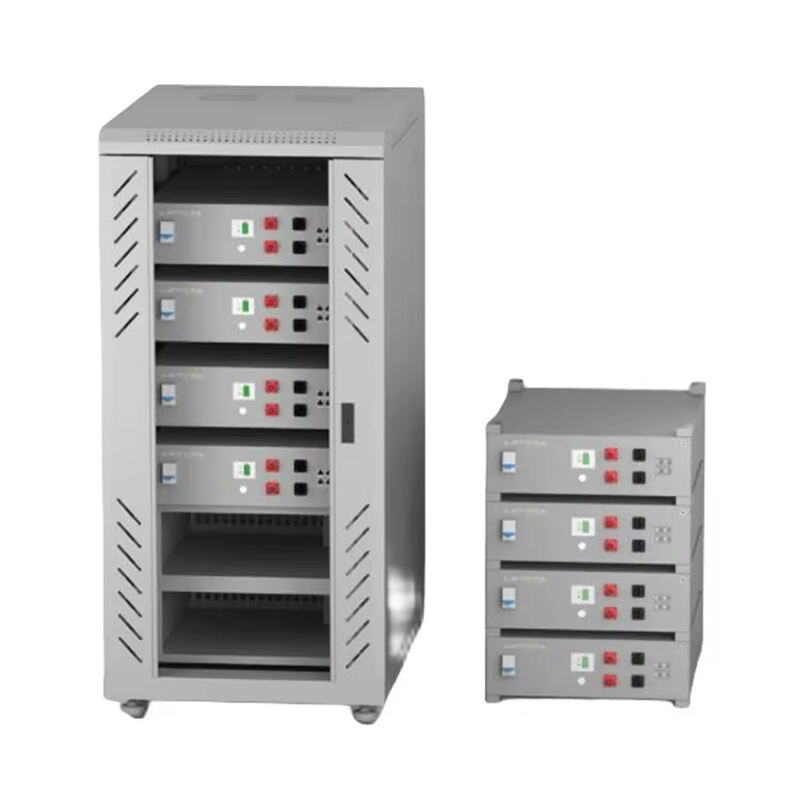
Regulatory Compliance for Energy Storage Container Transport
UN38.3 Certification and Global Frameworks (IATA DGR, IMDG Code, ADR, RID)
Global transport of lithium-ion energy storage containers requires UN38.3 certification— a foundational safety validation covering vibration, shock, thermal cycling, and external short-circuit testing. This standard anchors compliance across major regulatory frameworks:
- IATA Dangerous Goods Regulations (DGR) for air transport
- IMDG Code for maritime shipments
- ADR (road) and RID (rail) in Europe
Non-compliant units account for 72% of lithium battery incidents reported globally (Transport Safety Board, 2023). Certification demands successful completion of all eight test sequences— including altitude simulation and forced discharge— before shipment clearance.
U.S. Requirements: DOT Hazardous Materials Regulations and NFPA 855 Guidance
Domestic movement falls under 49 CFR Parts 171–180, mandating:
- State-of-charge (SoC) limited to ≤30% for lithium batteries
- Spill containment systems capable of retaining electrolyte leaks
- Class 9 hazardous materials placarding on vehicles and containers
The 2023 edition of NFPA 855 really ramps up the existing requirements by adding specific fire safety rules that must be followed. These include things like detecting when batteries start to overheat uncontrollably, installing barriers that can actually stop fires from spreading, and putting up signs that clearly mark potential hazards according to section 4.3.5. Compared to wider ranging codes like the International Building Code's chapter 27, which tends to be more general, NFPA 855 goes into much greater detail about what needs to happen on site. Since last year, there's been a noticeable increase in how strictly these regulations are enforced. The Department of Transportation has already handed out fines totaling over seven hundred forty thousand dollars for companies caught breaking the rules, according to research published by the Ponemon Institute back in 2023.
Key Compliance Checks
| Requirement | International | U.S. Specific |
|---|---|---|
| Certification | UN38.3 | DOT Special Permit (if applicable) |
| Transport Documentation | Shipper’s Declaration | Hazardous Waste Manifest |
| Fire Mitigation | IMDG Code Compartment Rules | NFPA 855 Section 8.7 |
Non-compliance triggers operational disruptions: logistics firms report 40% longer customs delays for containers failing documentation or labeling checks (Supply Chain Quarterly, 2023).
Structural Integrity and Load Securing for Energy Storage Containers
Vibration and Shock Mitigation Using ISO-Compatible Mounting and Dynamic Damping
Vibration from roads can actually damage lithium ion cells within energy storage units, sometimes causing dangerous internal short circuits. Shock absorbing mounts that have ISO certification cut down on vertical acceleration by around 70% compared to regular rigid mounts. When it comes to distributing those dynamic forces across the structure, viscoelastic damping materials work wonders if placed strategically at stress points throughout the container. Systems that react badly to resonance effects, especially when frequencies drop below 35 Hz, really need tuned mass dampers to keep things from getting out of control with harmonic amplification. Industry experts generally recommend checking designs against ISTA-3E vibration standards, going for polymer isolators that resist shearing forces, and making sure containers pass shock tests before shipping them out at plus or minus 5g levels as minimum requirements.
Weight Distribution, Tie-Down Protocols, and DOT-Compliant Securing for Heavy BESS Units
Battery Energy Storage System (BESS) units exceeding 12,000 lbs gross weight demand precision load management. Per 49 CFR §393.104, a minimum of four direct tie-downs— with individual Working Load Limits ≥6,250 lbs— is required. FMCSA data attributes 37% of structural failures during transit to center-of-gravity miscalculations. Critical weight distribution parameters include:
| Consideration | Requirement | Safety Impact |
|---|---|---|
| Axle load distribution | ≤10% variance between axles | Prevents trailer buckling |
| Corner weight ratio | ≥15% total weight per corner | Avoids tipping during turns |
| Securing angle | 30°–45° horizontal angle | Maintains tension during sudden stops |
Progressive winching sequences ensure compression forces remain within IEC 62933-2 deformation limits. Emergency braking simulations confirm that balanced load distribution reduces kinetic shift by 83% compared to unbalanced configurations.
Thermal and Electrical Safety During Energy Storage Container Transit
State-of-Charge Management and Power-Down Procedures to Prevent Thermal Runaway
Keeping battery state of charge between about 20% and 50% has become standard practice across the industry to prevent dangerous thermal runaway during transportation. The sweet spot offers good electrochemical stability while still keeping batteries ready for use after arrival, basically cutting down on those heat reactions without sacrificing how long they'll last overall. Safety standards like NFPA 855 back this approach as one of the best ways to reduce risks when things get bumped around or exposed to high temperatures. When preparing equipment for transport, proper shutdown procedures mean completely isolating all electrical connections. That includes unplugging solar panels, turning off inverters, and making sure any extra systems are powered down before loading onto vehicles. Looking at real world data from lithium ion fires reveals something pretty shocking: around 85% of these runaway heating incidents happen when batteries are over 70% charged according to NFPA's latest report from 2023. This clearly shows why following these guidelines so closely matters so much for safety.
Integrated Fire Suppression and Short-Circuit Prevention in Transit and Terminal Environments
The energy storage containers need to have their own fire suppression system that works automatically without anyone needing to press buttons or flip switches. When these aerosol based agents get deployed right into the battery racks, they can fully discharge in about five seconds once they sense temperatures going above 150 degrees Celsius. At the same time, the enclosures should be built to withstand vibrations and come with those IP67 rated seals so nothing like moisture, dust particles, or conductive stuff gets inside and causes short circuits. There's also real time monitoring happening through those embedded IoT sensors tracking things like temperature changes, pressure fluctuations, and even shocks during transportation between different modes. And here's what makes it really important: all these safety features run on their own separate power supplies. This means they'll keep working properly even when there's no access to regular shore power or if it keeps cutting out unexpectedly.
Environmental Protection and Operational Readiness of Energy Storage Containers
Good environmental protection makes sure that energy storage containers can handle being transported without losing their effectiveness. The weatherproof boxes need to be at least IP65 rated to stop things like moisture, dust, and salt from getting inside these are really important when moving equipment along coastlines, through deserts, or anywhere humidity is a problem. For fighting corrosion, manufacturers often go with either marine grade aluminum or hot dip galvanized steel. These materials stand up well against road salt and industrial pollution, which means the containers last much longer in real world conditions. Some tests show they can actually last around 15 extra years compared to standard materials when put through accelerated aging processes.
Getting things ready for operation matters just as much as anything else. When moving equipment around, keeping charge levels between 30 to 50 percent helps make transport safer and gets systems deployed faster. At the same time, built-in monitoring keeps track of what's happening inside - checking temperatures, how humid it gets, and any shocks during transit. After everything arrives, there are tests to check if insulation still works properly and measure how well it performs compared to when it left. These checks help confirm nothing has broken down along the way so the equipment can be connected right away to whatever grid system needs it. Looking at both how resilient these systems are against environmental stress and making sure they actually work when needed means they'll perform at their best no matter where they end up or what important job they need to do.
Frequently Asked Questions
What is UN38.3 certification, and why is it required?
UN38.3 certification is a safety validation covering various tests like vibration, shock, and thermal cycling for lithium-ion batteries. It is required to ensure safe global transport of these batteries in line with international regulations.
What are the new updates in NFPA 855 regulations?
The 2023 update of NFPA 855 introduces detailed fire safety measures, including methods for early detection of overheating, fire barrier installations, and clear hazard signs, enhancing overall safety in energy storage installations.
Why is state-of-charge management important during transport?
Maintaining a state of charge between 20% and 50% prevents thermal runaway, keeping the battery stable during transit and reducing risks of overheating.
What materials are recommended for environmental protection of energy storage containers?
Marine-grade aluminum or hot-dip galvanized steel are recommended due to their resistance to moisture, dust, salt, and industrial pollutants, ensuring long-lasting container integrity.
Table of Contents
- Regulatory Compliance for Energy Storage Container Transport
- Structural Integrity and Load Securing for Energy Storage Containers
- Thermal and Electrical Safety During Energy Storage Container Transit
- Environmental Protection and Operational Readiness of Energy Storage Containers
- Frequently Asked Questions