 EN
EN

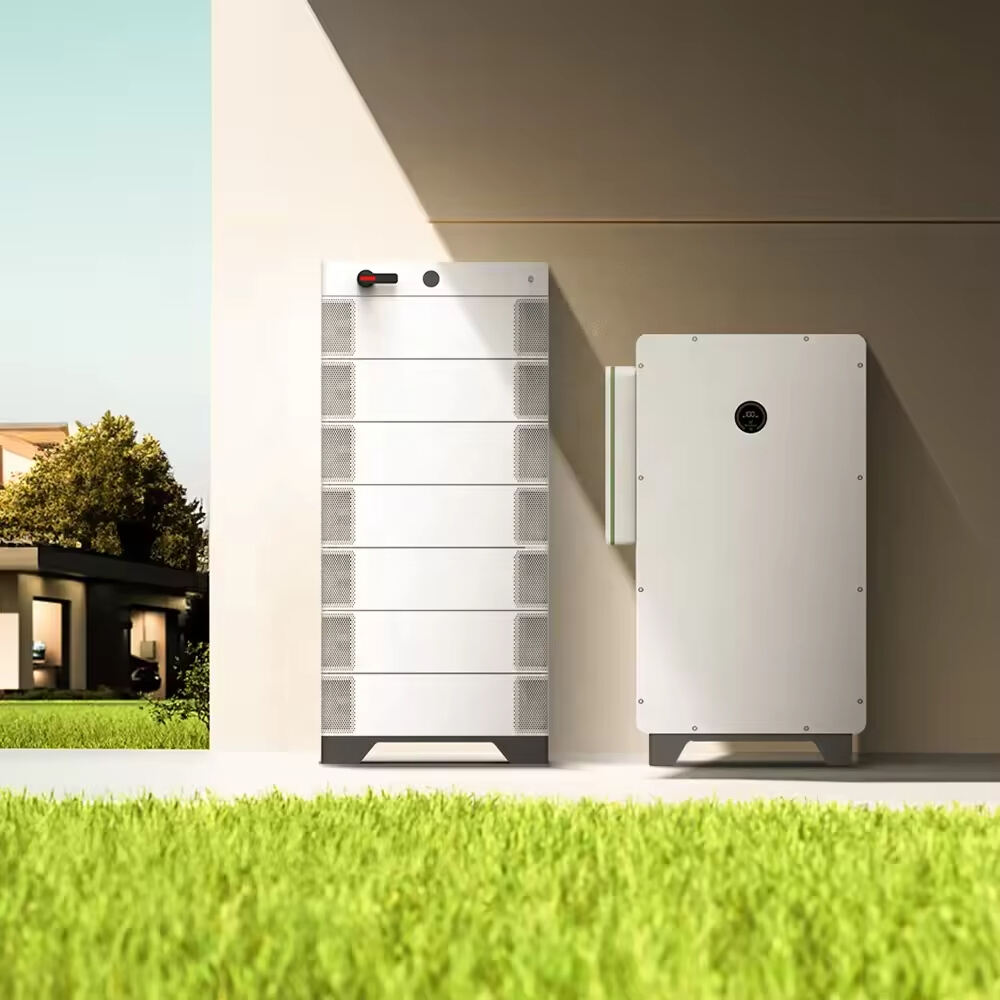
Sizing Your Residential Battery System for Real-World Energy Needs
Calculating usable capacity: factoring in depth of discharge, round-trip efficiency, and load profiles
Getting the right size battery bank begins with translating those nameplate numbers into actual usable power, which involves looking at three main factors that all influence each other. First up is depth of discharge (DoD), basically telling us what portion of the battery's stated capacity we can actually draw upon safely. Most lithium setups these days handle around 80 to 90 percent DoD, while older lead acid batteries only manage about half that figure. Then there's round trip efficiency (RTE), measuring how much power gets lost when charging and discharging. Lithium tech today gives roughly 95 percent RTE, whereas older battery types hover around 80 percent. And last but definitely not least comes understanding the household's energy consumption patterns, particularly when and how much power spikes occur. For homes running heat pumps, many find they need an extra 3 to 5 kilowatt hours of storage just to handle those late afternoon heating demands that spike unexpectedly.
The practical formula is:
Usable Capacity = Nameplate Capacity × DoD × RTE
Neglecting any of these factors risks undersizing by 20–30%, potentially leaving critical loads unpowered during outages.
Balancing daily self-consumption vs. multi-day backup—regional grid reliability considerations
When thinking about how big to make a battery system, local power grid reliability matters just as much as the technical specifications. For areas where the electricity stays on most of the time (say, less than two blackouts per year), it makes sense to focus on using what we generate each day. That means sizing batteries so they can soak up extra solar power during peak production times and then help cover those expensive evening energy costs for around four to six hours. This approach really cuts down on monthly bills. But things change when power goes out frequently, especially in places vulnerable to wildfires or hurricanes. In these situations, what matters most isn't how much extra energy gets stored, but rather making sure critical systems stay powered through multiple days without grid support. The right battery size depends primarily on calculating exactly how many watt-hours are needed to keep essential appliances running during those long outages.
| Priority | Key Sizing Metric | Capacity Adjustment |
|---|---|---|
| Self-Consumption | Daily solar overproduction | 1–1.5× average evening load |
| Multi-Day Backup | Critical circuit watt-hours | 3–5× daily essential consumption |
Take Florida for example where folks worried about power going out during hurricanes tend to go big on batteries, usually somewhere between 20 to 30 kWh. Meanwhile across the country in California, people who want to make the most of their solar panels typically stick with smaller setups around 10 to 15 kWh. When figuring out what size system makes sense for someone's home, they really need to consider several factors together. Things like how risky their local climate actually is, whether there's critical medical gear that needs backup power, and how long past outages have lasted in their area. Just going with what everyone else does isn't smart when lives or business operations depend on it. The right choice depends heavily on individual circumstances rather than following some generic guideline.
Ensuring Component Compatibility Across Your Residential Battery System
Hybrid inverter selection: matching voltage, communication protocols (CAN/Modbus), and BMS handshake requirements
Getting the right voltage match between a hybrid inverter and battery bank matters a lot. When there's a mismatch, the system has to work harder converting DC power, and we're talking about losing around 8% of stored energy in the process. Then there's the issue of working well with the battery management system. Most modern systems need standard ways to talk to each other, like CAN bus or Modbus protocols. These let the inverter know what's going on inside the batteries - things like how charged they are, individual cell voltages, and temperature readings. This information helps prevent problems before they happen, shutting down automatically if something goes wrong like when cells get too hot. For safety reasons, look for inverters that have UL 1741 SB certification. This basically means they won't keep feeding power back into the grid during an outage, protecting workers and equipment from potential hazards.
LiFePO₄ battery specifications that matter most: nominal voltage, charge/discharge curves, and thermal management integration
Lithium iron phosphate batteries have become popular for home energy storage thanks to their impressive lifespan of over 6,000 cycles and built-in safety against overheating. But getting good performance depends heavily on matching specs correctly. The battery needs to work with whatever voltage the inverter expects - most home systems run on around 48 volts. If there's a mismatch, things either won't work right or might not work at all. How these batteries charge and discharge affects how quickly they respond to solar power coming in. Steeper response curves let them grab energy fast from panels, but this requires really careful monitoring through the battery management system to prevent wear and tear over time. Temperature control matters a lot too. Simple air cooling works fine where it doesn't get too hot or cold outside. However, when dealing with harsh weather conditions, liquid cooling systems that keep temperatures between about 15 and 35 degrees Celsius become necessary. These systems help batteries last longer, studies suggest maybe 3 to 5 extra years according to some research from national labs.
Optimizing Solar Panel Specifications for Seamless Residential Battery System Integration
The specs on solar panels really determine how much energy actually gets stored in home battery systems. When it comes to voltage matching between panels and the charge controller, getting this right makes a big difference. Mismatched panels can throw away anywhere from 3% to 8% of what they could collect according to some recent studies by NREL. Look for panels that handle heat better too. Panels with lower temperature coefficients around -0.35% per degree Celsius will keep performing well even when temperatures spike during hot summers. Check if the maximum power point voltage range of the panels fits nicely within what the charge controller accepts. Most controllers work best with voltages between about 30 and 50 volts for standard 48 volt battery setups. If someone installs too many panels, they might need something called DC optimizers to avoid losing power. On the flip side, not enough panels just means the batteries aren't being used to their full potential. Certifications are important stuff too. UL 61730 covers electrical safety basics while IEC 61215 looks at how durable panels stay over time. Matching panel degradation rates below 0.5% per year with battery lifespan helps maintain good return on investment for these systems over many years.
FAQ
What are the key factors in sizing a residential battery system?
The key factors include depth of discharge (DoD), round-trip efficiency (RTE), and your household's energy consumption patterns.
How does local power grid reliability impact battery sizing?
If the grid is reliable, focus on self-consumption. In areas prone to outages, ensure your battery can provide multi-day backup.
What is the importance of component compatibility?
Ensuring compatibility among inverters, batteries, and solar panels optimizes system efficiency and safety.
Why is thermal management important for LiFePO₄ batteries?
Proper thermal management extends the lifespan of the batteries and ensures optimal performance under varying temperature conditions.