 EN
EN

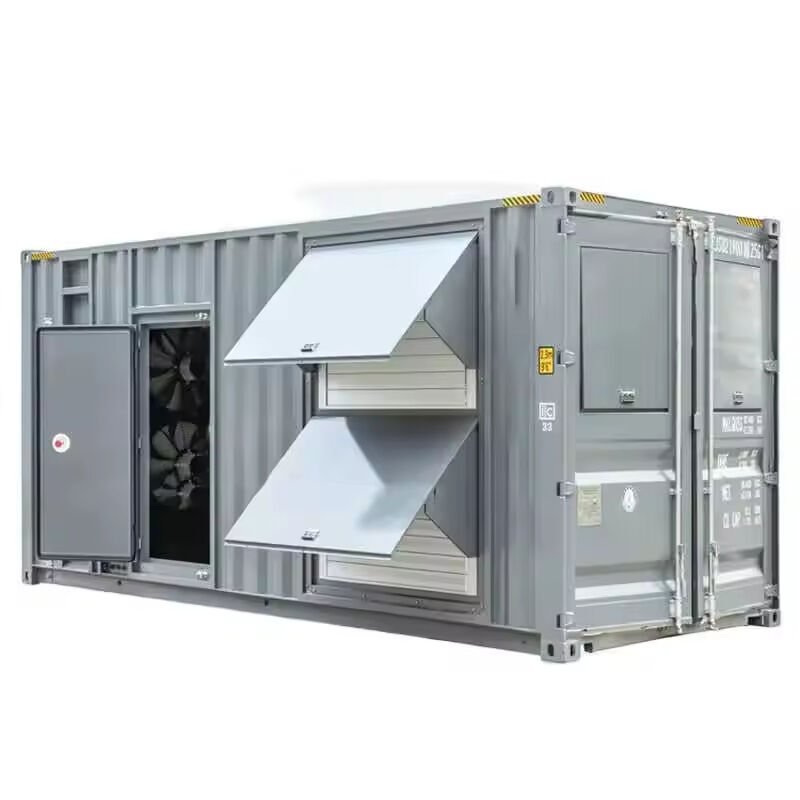
What Is an Energy Storage Container?
Energy storage containers are basically modular units that hold electricity for later use in commercial and industrial environments. They work by grabbing power either from regular grids or from green sources like solar panels and wind turbines, then releasing that stored energy when demand spikes or there's an outage, keeping operations running smoothly. What sets these apart from old school backup systems is their built-in safety tech. Modern versions come with things like fire suppression systems, sensors that detect gases in real time, and intelligent temperature control all packed inside tough enclosures that can handle both indoor and outdoor conditions without breaking a sweat.
The modular nature of these systems makes scaling up much easier for facilities needing to adjust their capacity based on changing energy requirements. When companies store electricity during off-peak times when prices drop and then use that stored power during expensive tariff periods, they save money and actually help stabilize the electrical grid at the same time. Take manufacturing operations for instance many report cutting their peak demand costs anywhere from 30 to almost half every year through this approach. With renewables becoming increasingly important in our energy mix, these storage units are turning into essential building blocks for creating resilient, sustainable energy systems across different industries.
Key Components and Technical Specifications of Energy Storage Containers
Battery Systems (LFP, NMC, and Emerging Chemistries)
Today's energy storage solutions depend heavily on cutting edge battery tech to hold power over extended periods. Lithium Iron Phosphate or LFP batteries have become the go to choice for most commercial setups because they stay cool under pressure, are pretty safe, and last around ten years or more in the field. The Nickel Manganese Cobalt versions pack more punch per square inch which makes them great when space is tight, but these come with a catch - they tend to run hotter and pose bigger fire risks if things go wrong. We're seeing some exciting developments in solid state batteries that promise even better safety records and longer lifespans, although these are still mostly prototypes at this stage. Most engineers working on industrial scale installations have shifted towards LFP technology lately since preventing fires becomes much more important than saving every last inch of cabinet space when dealing with large scale energy storage systems.
Power Conversion System (PCS) and Thermal Management
Power Conversion Systems, or PCS for short, basically manage the back and forth transfer of energy between batteries storing direct current power and alternating current from the grid or building systems. Some top end models hit around 98% efficiency when moving energy both ways, which is pretty impressive considering they also handle important tasks like connecting to solar panels, reducing electricity peaks, and providing various grid support services. Keeping these systems at just the right temperature range of about 15 to 35 degrees Celsius matters a lot. That's why most have either liquid cooling or forced air ventilation built in. Extreme temperatures really hurt battery life over time, sometimes cutting it down by nearly two thirds if left unchecked. Getting the thermal management right makes all the difference when responding to sudden power demands or running longer discharges without performance drops.
Why Choose an Energy Storage Container for Grid-Scale and C&I Projects?
Deployment Speed, Scalability, and Site Flexibility
Storage containers cut down how long it takes to get systems online by around half when compared to traditional on-site installations. These pre-built units come fully assembled from the factory, so they can be up and running within weeks instead of waiting months. That makes all the difference when there's pressure to stabilize power grids quickly after disruptions, respond to emergencies, or meet those tight deadline requirements for incentives. The modular nature of these systems means businesses can start small at about 100 kW and grow right up to several megawatts without tearing things apart or starting over from scratch. What really stands out is where these containers work best. They handle tough conditions in industrial areas just as well as they do in isolated microgrid locations or crowded city spaces. Standard connections make plugging into existing power infrastructure straightforward whether connecting to main utility lines or smaller internal networks within companies.
Integration with Renewables and Peak Shaving Use Cases
Energy storage containers tackle two big problems facing renewable energy today: dealing with unpredictable supply and making green power economically practical. When there's extra solar or wind power generated, these systems store it so factories, university campuses, and even data centers can use around 80% of what they produce themselves instead of relying on the grid or wasting excess energy. At the same time, when electricity rates spike during certain times of day, the stored power gets released, which helps businesses dodge those expensive demand charges that sometimes eat up half their monthly electric bill. Take manufacturing plants for example many have started running their most power hungry operations at night or early morning when rates drop, saving them anywhere from 15% to maybe even 30% on yearly energy costs. What makes these storage solutions really valuable is how they serve both environmental targets and bottom line concerns at once.
Selecting the Right Energy Storage Container: Key Evaluation Criteria
Certifications (UL 9540A, IEC 62619, CE), Safety, and Lifecycle Warranty
Safety certifications from third parties should never be overlooked when considering energy storage solutions. Look for products that meet key standards such as UL 9540A which tests how fires might spread, IEC 62619 specifically addressing industrial lithium battery safety concerns, and the CE mark showing compliance with European Union regulations. These certifications mean manufacturers have put their systems through extensive testing regarding things like containing thermal runaways, maintaining structural strength during faults, and performing reliably across different environments. Lithium Iron Phosphate (LFP) chemistry continues to dominate the commercial and industrial market space primarily because it carries about 60 percent less risk of thermal events compared to other options available today. Plus, LFP works well with comprehensive safety measures including staged circuit interruptions and ongoing monitoring systems that detect hydrogen or carbon monoxide levels in real time. When evaluating potential systems, always check if they come with at least a decade long warranty that promises no less than 70% capacity retention over time plus regular tracking of any gradual performance decline throughout the product lifecycle.
Total Cost of Ownership (TCO) vs. Upfront CAPEX
Financial evaluation must extend beyond sticker price. A robust TCO framework accounts for lifetime efficiency, maintenance, scalability, and end-of-life obligations:
| Cost Factor | CAPEX Focus | TCO Optimization | Impact |
|---|---|---|---|
| Battery Chemistry | Lower upfront cost | LFP: 2x cycle life vs. NMC | Saves $120/kWh over 15 years |
| Efficiency | Often overlooked | 95%+ round-trip efficiency | Reduces energy waste by 18% annually |
| Maintenance | Minimal service planning | Predictive analytics integration | Cuts downtime costs by 35% |
| Scalability | Fixed capacity | Modular 20% capacity increments | Defers $140k/MWh expansion costs |
A container with 20% higher CAPEX but 12% better efficiency typically achieves ROI in under five years for commercial peak-shaving applications. Also factor in end-of-life recycling costs ($15–$40/kWh) and eligibility for federal incentives—projects qualifying for the Investment Tax Credit (ITC) see 30% faster payback periods, per NREL 2024 analysis.
FAQ
What are Energy Storage Containers used for?
Energy storage containers are used to store electricity for commercial and industrial uses, helping manage power demand by releasing stored power during spikes or outages.
How do Energy Storage Containers help reduce costs?
By storing electricity during off-peak times and using it during periods with higher tariffs, businesses reduce their energy costs and stabilize the grid.
What certifications should I look for in Energy Storage Containers?
Look for certifications like UL 9540A, IEC 62619, and CE to ensure safety and reliability.
What is the benefit of using LFP over NMC batteries?
LFP batteries offer better safety with lower thermal risk and longer cycle life, making them more suited for large-scale storage systems.