 EN
EN

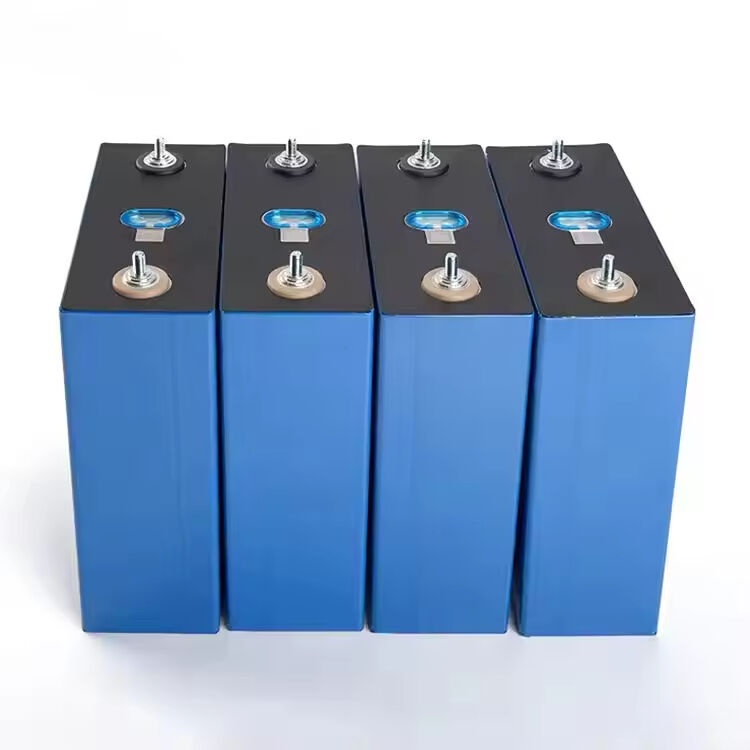
Why LiFePO4 Prismatic Batteries Offer Superior Weight Efficiency
Growing Demand for Lightweight Energy Storage in EVs and Commercial Systems
We're seeing a big move towards smaller but more powerful energy storage solutions, which is why Lithium Iron Phosphate or LiFePO4 prismatic batteries are becoming so important for both electric cars and large scale power systems. These batteries weigh about 70% less than traditional lead acid options, allowing electric vehicles to go further on single charge and cutting down on the need for extra structural support in commercial storage installations. The lighter weight actually makes electric vehicles run better too, improving their energy efficiency somewhere around 12 to 18% for each kilowatt hour used. Logistics companies working with these systems have noticed installation costs drop by roughly 22%, mainly because there's less wiring involved and they don't need as much supporting hardware during setup.
How Prismatic Cell Structure Minimizes Unnecessary Mass
Prismatic cells have this flat, layered setup that actually cuts down on all that wasted space we see in regular cylindrical or pouch designs. The rectangular shape means they can be stacked much closer together inside battery modules, so there's less need for those heavy framing parts that take up room. When paired with these new lightweight aluminum casings (which are about 30 to 40 percent lighter than old school steel ones), the whole system becomes significantly lighter too. We're talking around 15% less weight overall while still keeping everything structurally sound. And look at the performance stats: standard LiFePO4 prismatic cells typically hit between 160 and 180 Wh per kilogram. That beats out what most pouch cells manage, which usually sit somewhere between 140 and 155 Wh per kg.
The Role of Rigid Casing in Optimizing Power-to-Weight Ratio
Rigid aluminum housings do add some extra weight, but they offer better mechanical stability. This allows manufacturers to make internal parts thinner while still maintaining safe thermal management. The trade off? Power to weight ratios improve by around 8 to 10 percent compared to pouch cells that need extra protective layers just to handle swelling issues. Take a look at industrial energy storage systems using prismatic LiFePO4 batteries. These typically hit about 1.2:1 kW per kg. That's actually 25% better than what we see with pouch based options. Makes sense why these are becoming so popular in applications where weight matters most, such as forklift operations and those big telecom towers scattered across cities.
Prismatic vs Pouch: Structural Differences Impacting LiFePO4 Battery Weight
Material and Encapsulation: Why Prismatic Cells Save Weight System-Level
The weight savings of LiFePO4 prismatic cells come from their rigid aluminum alloy casings that actually serve as part of the vehicle's structure. Pouch cells need extra frameworks outside the cell itself, while prismatic designs build those enclosures right into the battery pack's main structure. This approach cuts down around 10 to 15 percent of the extra support materials usually required when using pouch cells. Even though each prismatic cell contains about 20 to 30 percent more metal than alternatives, the overall system ends up lighter because there's no need for duplicate protective layers or separate cooling plates and compression fixtures. For electric vehicles, this makes all the difference. Every 10 kilograms saved translates to roughly 1.2 to 1.5 kilometers added to driving range, something manufacturers fight hard for in competitive markets.
Space Efficiency and Pack Integration: Reducing Overall System Mass
Prismatic cells’ rectangular geometry enables tighter stacking, with less than 5% wasted space between units, compared to the irregular packing patterns of pouch cells. This optimization allows commercial energy storage systems to fit 18–22% more capacity within the same footprint while reducing enclosure weight by 12–15%.
| Parameter | Prismatic Cells | Pouch Cells |
|---|---|---|
| Energy Density (Wh/kg) | 200–250 | 250–300 |
| Cycle Life (@80% DoD) | 1,500 cycles | 1,000 cycles |
| Structural Dependency | Self-supporting | Requires external frame |
Despite a casing weight penalty of 3.8–4.2 kg/kWh, the integrated design offsets this through simplified thermal and mechanical integration.
Performance and Design Trade-offs in LiFePO4 Prismatic Cell Engineering
Balancing Durability and Weight: Engineering Challenges in Prismatic Design
The main problem with LiFePO4 prismatic cells is getting them light enough without compromising their strength. Traditional metal cases made from aluminum or steel do protect better against knocks and heat changes, but they weigh about 10 to 15 percent more than those flexible plastic pouch designs. To fix this issue, engineers have been tweaking how thick these outer shells need to be. A recent study on battery materials from 2023 showed something interesting when they thinned down the housing by just 0.3 millimeters it actually reduced overall weight by 18 percent and still kept around 94 percent of the original crash protection. What's really helping though are these new welding methods combined with smarter ways to stack multiple units together. This approach lets manufacturers eliminate extra parts that don't contribute much anyway. For instance, companies making big solar power installations report cutting down battery weights by nearly a quarter based on data from Energy Storage Reports last year.
Does Rigid Housing Offset Weight Savings? Addressing the Controversy
Some folks say the metal cases on prismatic cells eat away at their weight benefits, but actual field tests tell a different story. When it comes to electric vehicles, packs made with prismatic LiFePO4 cells end up about 14 percent lighter compared to those round cylindrical ones because they fit together better in rectangular spaces. Another plus point is the solid build which means no extra support structures needed like what's required for pouch cells. According to Automotive Engineering Quarterly from last year, this saves somewhere between 6 to 9 kilograms for every 100 kilowatt hour battery installed. That said, when looking at portable solar power systems where going light matters most, pouch cells still hold an edge being roughly 22% lighter overall. So really, picking one over the other boils down to what matters more for each specific project. Prismatic options tend to shine best when things like lasting durability, long cycle life, and overall system performance take precedence over needing something super lightweight.
Real-World Applications: Weight Advantage of LiFePO4 Prismatic Batteries in EVs and Energy Storage
Case Study: Prismatic vs Pouch Cells in Electric Vehicle Platforms
When it comes to electric vehicles, prismatic LiFePO4 cells offer some real weight benefits over other options. Car makers are seeing around 15 to 20 percent less mass when they switch from pouch cells, which means cars can go further on a single charge. The way these cells stack together and their solid casings cut down on extra support structures needed in the battery pack. This not only keeps things stable when temperatures fluctuate but also simplifies the overall design. Some companies have actually seen their vehicles drive an extra 63 miles just by making the switch to prismatic cells. A recent study from last year backs this up, showing how these changes are helping push the boundaries of what electric cars can do.
Trend Analysis: Adoption of Prismatic LiFePO4 in Commercial and Industrial Storage
More and more industrial energy storage setups are going with prismatic LiFePO4 batteries because they pack a lot more punch for their weight. The solar farm sector has seen real savings too. According to that 2024 Renewable Storage Report, installation costs dropped around 12% when these batteries were used. Why? Lighter mounting gear and easier transportation made all the difference. Data centers are catching on as well. Most new backup systems now opt for prismatic designs instead of old school lead-acid packs. About 7 out of 10 installations have made the switch recently. These batteries fit better in tight spaces where every inch counts. They last forever too, standing up to over 10,000 charge cycles before showing signs of wear. For facilities needing reliable power backup without taking up valuable floor space, this makes them pretty hard to beat.
FAQ Section
What are LiFePO4 prismatic batteries?
LiFePO4 prismatic batteries are a type of Lithium Iron Phosphate battery designed with a rectangular-shaped cell that can be stacked closely together, making them lighter and more efficient than traditional battery designs.
Why are prismatic cells lighter than pouch cells?
Prismatic cells save weight due to their design, which includes rigid aluminum casings integrated into the battery's structure, reducing the need for additional support frameworks.
How do prismatic batteries impact electric vehicle efficiency?
Prismatic batteries reduce mass by 15-20% when replacing pouch cells, allowing electric vehicles to travel further on a single charge and decreasing reliance on additional structural supports.
What applications benefit most from LiFePO4 prismatic batteries?
Applications such as electric vehicles, industrial energy storage setups, and commercial installations benefit greatly from LiFePO4 prismatic batteries due to their weight efficiency and long cycle life.
Table of Contents
- Why LiFePO4 Prismatic Batteries Offer Superior Weight Efficiency
- Prismatic vs Pouch: Structural Differences Impacting LiFePO4 Battery Weight
- Performance and Design Trade-offs in LiFePO4 Prismatic Cell Engineering
- Real-World Applications: Weight Advantage of LiFePO4 Prismatic Batteries in EVs and Energy Storage
- FAQ Section