 EN
EN

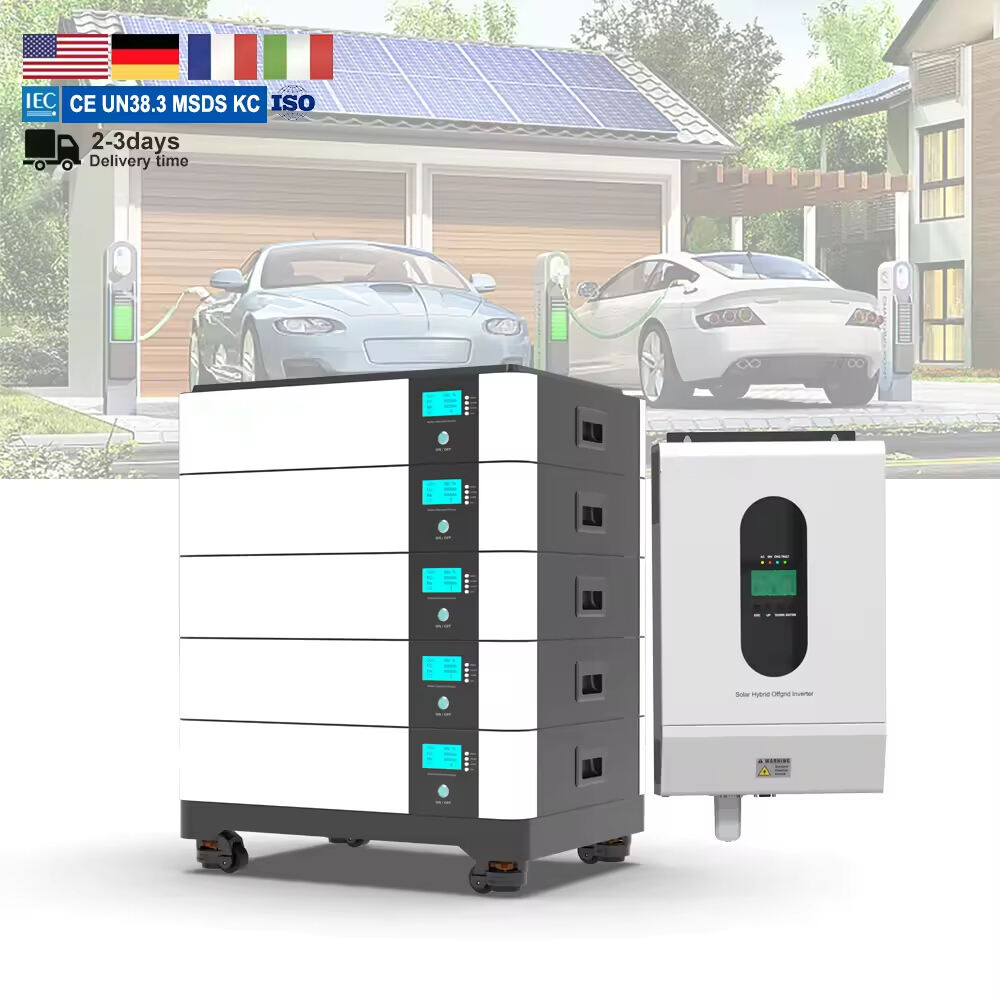
Understanding Lithium Battery Lifespan and Charging Cycles
Why Lithium Battery Lifespan Is Measured in Charging Cycles
Lithium batteries don't really age much based on how old they get sitting around. The main reason they wear out is all that electrochemical stress from charging and discharging repeatedly. That makes counting charge cycles actually a better way to predict how long a battery will last than just looking at its age. When we talk about a full cycle, it means using up 100% of what the battery holds, either in one go or spread across several smaller uses throughout the day. For regular consumer lithium-ion batteries, folks generally consider them done for when they start holding less than 80% of their original power, which usually happens somewhere between 300 to 1,500 cycles. But there's something interesting happening with these newer LiFePO4 batteries designed for industrial applications. These bad boys can often push past 6,000 cycles because their chemistry stays more stable and they come with better built-in management systems that help protect against electrode damage over time.
How Depth of Discharge Affects Cycle Life
Shallow discharges significantly prolong battery life by reducing mechanical and chemical stress on internal components. Operating within a 20%—80% state of charge (SOC) minimizes lithium plating and cathode oxidation compared to full 0%—100% cycles. The table below illustrates the impact of depth of discharge (DoD) on cycle life and long-term capacity:
| Discharge Depth (DoD) | Average Cycle Lifespan | Capacity Retention After 3 Years |
|---|---|---|
| 100% (0—100% SOC) | 300—500 cycles | 65%—70% |
| 50% (30—80% SOC) | 1,200—1,500 cycles | 85%—88% |
This fourfold increase in cycle life results from reduced electrolyte decomposition and lower mechanical strain during partial charging, particularly above 90% SOC where ion mobility slows and stress increases.
Case Study: 20%—80% vs. 0%—100% Usage and Its Impact on Longevity
A 2024 EV battery simulation tracked two charging behaviors over five years:
- Group A: Regular 0%—100% fast charging
- Group B: 20%—80% slow charging with monthly full cycles for calibration
Group B maintained 92% capacity, while Group A retained only 68%. The results highlight how avoiding voltage extremes preserves lithium-ion mobility and reduces degradation. As a result, many manufacturers now configure BMS defaults to cap daily charging at 80%, reserving 100% for occasional use.
Strategy: Using Partial Charging to Reduce Wear and Extend Lifespan
To maximize battery cycle life, adopt these evidence-based practices:
- Set daily charge limits to 80%; override only before extended trips
- Recharge when capacity reaches 30%—40% to avoid deep discharges
- Use manufacturer-certified chargers that reduce current (taper charging) above 90% SOC
Devices following this approach exhibit 23% slower capacity fade compared to unrestricted charging patterns, according to real-world performance data from EV and consumer electronics monitoring programs.
Optimal Charging Practices to Preserve Lithium Battery Health
Risks of Overcharging and Keeping Batteries at 100% Charge
Lithium batteries degrade faster when kept fully charged all the time rather than partially charged, according to research from NREL back in 2023. The degradation rate jumps around 30 percent under these conditions. Even though most devices have built-in systems to stop charging once full, there's still what we call trickle charging happening in the background. When batteries stay at high voltage for extended periods, this creates oxidative stress inside them. What happens next? The electrolyte breaks down and those pesky resistive layers start forming on the electrodes. Things get really bad when heat gets involved too. At higher temperatures, lithium ions end up getting stuck in unstable crystal formations within the battery. This makes it harder for electricity to flow through, so the battery loses its ability to hold as much charge as it used to over time.
How Charge Voltage Levels Influence Long-Term Battery Performance
When lithium cells get charged beyond 4.2 volts each, they start to age much faster than normal. Some studies indicate that bumping up the voltage to around 4.35 volts causes batteries to lose about 15% of their capacity within only 50 charge cycles. On the flip side, cutting back the voltage by just 0.15 volts makes these batteries last way longer because it puts less stress on those tiny electrode components inside. Most smart battery makers know this trick well. They build their products so that charging stops somewhere between 90% and 95% of full voltage. While this means slightly less power available right away, it pays off in the long run as batteries simply don't wear out as quickly.
Strategy: Following Manufacturer-Recommended Charging Ranges
Using the 20 to 80 percent charge range helps keep lithium batteries healthier over time. When storing gadgets that don't get much use, aim for around half charge instead of full. A quick check every month or so keeps things stable without draining completely. Better to go for chargers that adjust voltage as needed rather than just any fast charger out there. Research indicates these smart charging methods can actually boost battery lifespan between 18 and 22 percent because they manage stress points where too much power could cause damage. Most folks notice their devices last longer when following this approach.
Managing Temperature to Prevent Lithium-Ion Battery Degradation
How Heat Accelerates Chemical Degradation in Lithium Batteries
When it gets too hot, all sorts of bad things start happening inside lithium batteries. The heat basically speeds up those unwanted chemical reactions we call parasitic processes. We see electrolytes breaking down faster, electrodes corroding, and that dangerous lithium plating effect kicking in. If batteries stay exposed to temperatures over about 45 degrees Celsius (which is around 113 Fahrenheit) for long periods, they tend to lose roughly 6 or 7 percent of their capacity after just 200 charge cycles. What's worse, excessive heat makes the battery work harder against itself by increasing internal resistance. This means lower efficiency overall and creates conditions ripe for thermal runaway situations. And let's not forget even brief encounters with high temps while charging or running can lead to permanent damage that simply cannot be undone later on.
Case Study: Battery Capacity Retention in EVs Across Hot and Temperate Climates
Cars running electric power tend to lose about 20% more battery capacity after driving 50k miles when they're used in really hot places where temperatures average around 35 degrees Celsius, as opposed to cooler areas averaging about 20 degrees. Labs have tested this too. When batteries sit in storage over 30 degrees C, they start losing capacity at a rate of roughly 3 to 5 percent each month. But keep them between 15 and 25 degrees, and most will hold onto about 95% of their original capacity even after a full year. Makes sense why keeping batteries cool matters so much for how well they perform over time.
Strategy: Avoiding Extreme Temperatures During Use and Charging
- Operational Range: Maintain battery temperatures between 15°C (59°F) and 40°C (104°F)
- Charging Precautions: Never charge below 0°C (32°F) or above 45°C (113°F) to prevent lithium plating and electrolyte breakdown
- Thermal Management: Use passive cooling (e.g., heat sinks) for stationary systems and active cooling (e.g., liquid cooling) in high-performance applications
- Storage: Store batteries at 40—60% charge in climate-controlled environments
Maintaining this thermal balance can reduce capacity fade by up to 30% over the battery’s service life.
Best Practices for Long-Term Lithium Battery Storage
Dangers of Storing Lithium Batteries Fully Charged or Completely Drained
Keeping lithium batteries stored at full charge speeds up chemical reactions inside that break down the electrolyte and damage the cathode material, resulting in around 20% less capacity each year. On the flip side, letting batteries completely drain poses its own problems too. When batteries sit empty for long periods, things like copper short circuits and permanent sulfation build up, often rendering the battery useless. These storage extremes throw off the delicate chemistry within the battery cells, making it much more likely something will go wrong when trying to bring them back online after sitting idle.
Ideal State of Charge (40%—60%) for Extended Storage
Research from 2023 looking at around 12,000 lithium ion cells showed something interesting. Cells kept at about 50% state of charge maintained roughly 96% capacity after 18 months sitting on the shelf. That's actually pretty impressive when compared to ones left fully charged, which lost about 34% more capacity over the same time frame. Keeping batteries between 40% and 60% charge seems to work best for several reasons. First, it helps prevent lithium plating issues and reduces stress on the anode material. Plus, the internal resistance stays relatively stable throughout storage. What makes this range so special? Well, batteries in this sweet spot tend to lose only about 2 to 3% charge each month naturally. This slow rate means they won't drop below critical levels even if stored for extended periods without regular maintenance checks.
Strategy: Storing Batteries in a Cool, Dry Place at Partial Charge
Keeping batteries stored somewhere around room temperature, ideally between about 15 degrees Celsius and 25 degrees Celsius (which translates roughly to 59 to 77 degrees Fahrenheit), helps significantly reduce chemical breakdown inside them. Research suggests this can cut down degradation rates by approximately 60% when compared to storing them at hotter temperatures like 35 degrees Celsius. When it comes to humidity levels, it's best to put them in sealed containers along with those little silica gel packets we all know from packaging boxes, especially if the air in the storage area is drier than 50% relative humidity. And for anyone planning on keeping batteries unused for longer periods, say over half a year, there's another important step worth remembering. Give them a partial charge back up to around 50% state of charge every six months or so. This simple maintenance prevents problems with electrolyte separation and keeps that protective solid electrolyte interface layer intact, which is crucial for battery longevity.
Reducing Wear from Fast Charging and Usage Patterns
How Fast Charging Contributes to Lithium Battery Degradation
When batteries get charged quickly, the lithium ions inside have to zip back and forth between the electrodes at high speeds. This puts real stress on the crystal structures within both the anode and cathode materials. Research from around 2022 showed something interesting about how often people charge their batteries super fast these days. The study looked at what happens when someone charges a battery to at least 80% in just half an hour using DC fast charging. After doing this repeatedly for about 500 times, the internal resistance went up by roughly 18% compared to regular charging methods. What's happening here? Well, all those ions moving so fast actually start creating tiny cracks in the coating of the electrodes. And there's another problem too: lithium tends to plate itself onto surfaces in ways that can't be undone. These two issues together mean less active material available for storing energy, which naturally leads to reduced overall capacity over time.
Heat and Current Stress During Rapid Charge Cycles
High current and temperature during fast charging intensify two key degradation pathways:
- Lithium plating: Excess ions deposit as metallic lithium on the anode, permanently trapping active material
- Electrolyte breakdown: Charging above 45°C (113°F) accelerates electrolyte decomposition by 2.7— (Journal of Power Sources 2023)
A 12-month fleet study of delivery EVs revealed that batteries relying solely on fast charging lost 23% more capacity than those using a balanced charging approach.
Strategy: Limiting Frequent Fast Charging to Preserve Long-Term Health
Reserve fast charging for urgent needs—manufacturers like Tesla and LG recommend no more than three sessions per week. When possible:
- Charge at ½ C rate (e.g., 4 hours for a 75 kWh battery)
- Limit fast charging to 80% to reduce voltage and thermal stress
- Allow a 30-minute cooldown before driving after a fast charge
This hybrid strategy can extend battery lifespan by 30—40% compared to exclusive fast-charging use, according to the DOE 2023 mobility report.
FAQ
How can I extend the lifespan of lithium batteries?
To extend the lifespan of lithium batteries, avoid extreme temperature exposures, use partial charges (keeping between 20%—80% SOC), and refrain from frequent fast charging.
What is the optimal charge range for storing lithium batteries?
The optimal state of charge for storing lithium batteries long-term is between 40%—60%.
How does fast charging impact lithium battery health?
Fast charging increases internal stress by causing lithium plating and faster electrolyte decomposition, which leads to quicker capacity loss over time.
Why should lithium batteries not be kept fully charged or completely drained?
Storing lithium batteries fully charged accelerates chemical reactions that degrade capacity, while storing them completely drained can lead to permanent damage like copper short circuits.