 EN
EN

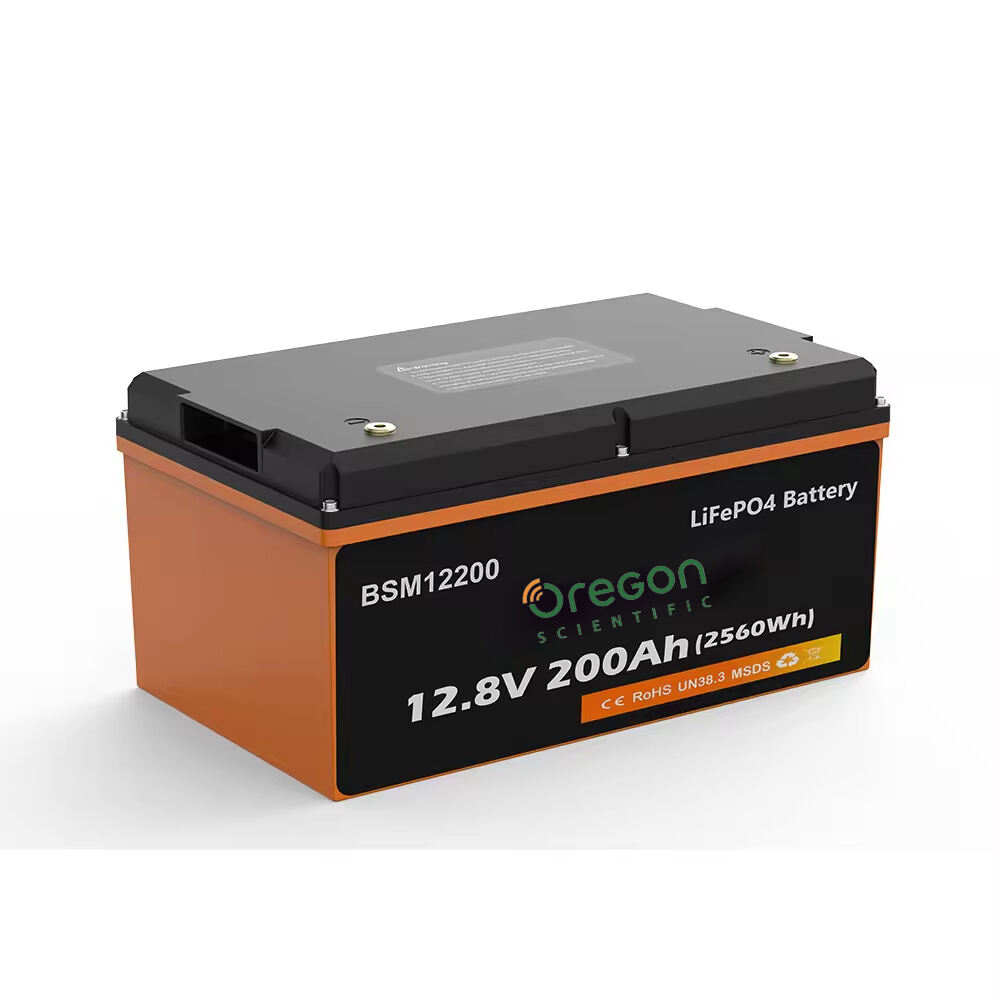
How Cold Temperatures Affect Lithium Iron Phosphate Battery Performance
Lithium iron phosphate (LiFePO4) batteries face unique challenges in cold environments due to their chemical structure. While more stable than other lithium-ion variants at room temperature, their efficiency declines sharply below freezing as ionic mobility slows and internal resistance rises.
Impact of Low Temperatures on Lithium Iron Phosphate Battery Performance
Cold weather reduces lithium-ion transfer rates in LiFePO4 batteries by up to 30% compared to optimal conditions (25°C/77°F). Capacity drops by 15–20% at -20°C (-4°F), with some models losing half their power output in extreme cold. This occurs because the electrolyte thickens, impeding ion movement between electrodes.
Voltage Drop and Increased Internal Resistance in Cold Conditions
At -10°C (14°F), internal resistance can increase by 200%, leading to significant voltage sag under load. A 2023 thermal performance study found that a fully charged 100Ah battery delivered only 78Ah at this temperature. Prolonged operation below -20°C (-4°F) may shorten cycle life by up to 30%.
Capacity Retention and Efficiency of Lithium Iron Phosphate Batteries in Winter
Capacity Retention of Lithium Iron Phosphate Batteries at Sub-Zero Temperatures
Despite performance slowdowns, LiFePO4 batteries retain strong capacity in cold conditions. At 0°C (32°F), they maintain 95–98% of rated capacity—significantly outperforming lead-acid batteries, which deliver only 70–80%. Even at -20°C (-4°F), LiFePO4 units retain about 85% capacity thanks to their stable crystal lattice and low risk of electrolyte freezing.
| Battery Type | Capacity Retention at 32°F (0°C) | Capacity Retention at -4°F (-20°C) |
|---|---|---|
| Lithium Iron Phosphate | 95–98% | ~85% |
| Lead-Acid | 70–80% | ~50% |
Real-World Performance Data: Lithium Iron Phosphate in Cold Climates
Research conducted in the cold regions of Scandinavia indicates that LiFePO4 batteries lose less than 15% of their capacity after going through 500 charge cycles even when temperatures hit -20°C. These numbers make them last much longer than NMC batteries under similar conditions. Looking at actual performance in Arctic microgrid installations where temps regularly fall to around -30°C (-22°F), these lithium iron phosphate systems maintained an impressive 88% round trip efficiency rate. That's way better than what we typically see from traditional lead-acid batteries which only manage about 63% on average. To get the most out of these batteries in freezing climates, many field technicians suggest keeping the enclosures well insulated and making sure not to let them discharge below 20% state of charge throughout the winter season.
Charging Challenges and Risks for Lithium Iron Phosphate Batteries in Freezing Conditions
Why Charging Lithium Iron Phosphate Batteries Below Freezing Is Dangerous
Trying to charge LiFePO4 batteries when it's colder than 0 degrees Celsius (32 Fahrenheit) is really not a good idea. When temps drop this low, the electrolyte gets much thicker, which makes ions move slower through the battery. Instead of getting properly absorbed into the anode material, lithium starts forming metal deposits on the surface. These deposits can cut battery capacity down by around 20% after only about five charges in freezing conditions. That's why pretty much every manufacturer out there puts big warnings in their manuals about avoiding cold weather charging. The problem is those lithium deposits might cause dangerous internal shorts inside the battery, increasing chances of overheating and potentially catching fire. Most modern industrial battery management systems actually stop allowing any charging at all once they detect temperatures going below the freezing point.
Risks of Lithium Plating and Long-Term Damage in Cold Charging
When lithium plates onto electrodes during charging, it creates permanent changes in how batteries function chemically. Charging even briefly when temps drop below the freezing point (-10°C/14°F) speeds up wear on both the anode material and the liquid electrolyte inside. After multiple cycles, batteries charged cold lose their ability to hold charge at around 30 to 40 percent quicker than those maintained at optimal temperatures. What's worse, repeated cold charging can boost internal resistance within the cell by nearly half, which means less efficient operation and reduced maximum power output when needed most. Some high-end chargers now incorporate special pulse techniques or conditioning phases to help reduce damage, but most experts still recommend warming up battery packs first before starting any kind of charging process.
Thermal Management Solutions to Enhance Cold-Weather Durability
Built-in Heaters and Active Warming Systems for Lithium Iron Phosphate Batteries
To counteract cold-related limitations, many LiFePO4 batteries now include integrated heating elements. These microheaters, embedded between cells, activate automatically via smart BMS when temperatures drop below 0°C (32°F), ensuring uniform warming and safe operation before discharge or charge cycles begin.
Advanced Thermal Management for Reliable Winter Operation
Modern LiFePO4 designs employ multi-layered protection:
- Phase-stabilizing additives in electrolytes preserve ionic conductivity down to -20°C (-4°F)
- Vacuum-insulated enclosures cut heat loss by 40–60% versus standard housings
- Adaptive charging algorithms detect rising internal resistance (above 180mΩ at 0°C) and adjust input rates accordingly
Best Practices for Maintaining Battery Temperature in Extreme Cold
Preheating batteries to at least 5°C (41°F) before charging preserves long-term health, with studies showing 91.3% capacity retention after 500 cycles using this method. Wrapping packs in closed-cell foam insulation extends thermal stability during idle periods, maintaining usable temperatures two to three times longer than exposed units.
FAQ
Why do lithium iron phosphate batteries lose efficiency in cold temperatures?
Lithium iron phosphate batteries experience a decline in efficiency in cold temperatures due to slower ionic mobility and increased internal resistance. The cold causes the electrolyte to thicken, impeding ion movement between electrodes.
How can I protect my lithium iron phosphate battery in cold weather?
To protect LiFePO4 batteries in cold weather, consider using integrated heating elements or enclosures to maintain warmer temperatures. Preheating the battery to at least 5°C (41°F) before charging and using closed-cell foam insulation can extend thermal stability.
Is it safe to charge lithium iron phosphate batteries in freezing conditions?
Charging lithium iron phosphate batteries in freezing conditions is not recommended, as the electrolyte thickens and lithium deposits can form, causing internal shorts and potential safety hazards. It's best to avoid charging when temperatures drop below freezing.
Table of Contents
- How Cold Temperatures Affect Lithium Iron Phosphate Battery Performance
- Capacity Retention and Efficiency of Lithium Iron Phosphate Batteries in Winter
- Charging Challenges and Risks for Lithium Iron Phosphate Batteries in Freezing Conditions
- Thermal Management Solutions to Enhance Cold-Weather Durability
- FAQ